

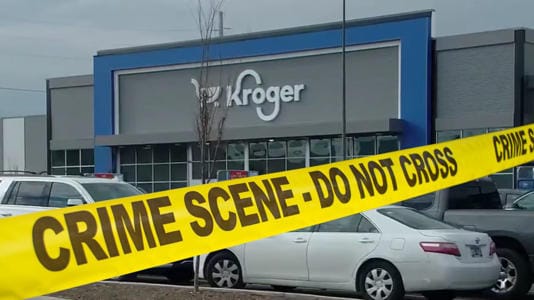
In a chilling example of how predatory violence is camouflage as youth “hustle,” Jaylen Fitzgerald (16) is in custody for the aggravated robbery and shooting of a man who treated him with nothing but decency. On December 2, outside a Germantown Kroger, the victim did what many community leaders encourage: he supported a local teen by buying candy. Seeing the boy shivering, he offered a ride “just one block” to the teen’s supposed home. It was a calculated setup.
The moment the car door closed, the “candy seller” persona vanished. Fitzgerald reportedly brandished a handgun, demanding the man’s cash and prescription medications. When the victim—refusing to be a passive prey—tried to push the gunman out of the vehicle, Fitzgerald fired. The bullet tore through the man’s abdomen, turning a small act of charity into a life-altering trauma.
The Elephant in the Room
We are being told to “invest in our youth,” but the streets are teaching us a different lesson. The “Candy Seller” front is increasingly being used as a tactical tool to disarm the instincts of older citizens. By appearing harmless, these predators bypass the natural “fight or flight” response of their victims. This isn’t just a robbery; it’s the weaponization of community trust. When a teenager is willing to gut-shot a man who just gave him a warm seat in a car, the social contract isn’t just broken—it’s been set on fire.
The Anatomy of a Failure
This specific Kroger on 26th Avenue North has become a magnet for lawlessness. The data is staggering: 65 thefts, 15 assaults, and multiple shots-fired calls in just two years. Just one week prior to this shooting, another criminal threatened guards and shoppers with a knife. The failure lies in a “reactive” policing model that treats these hubs as standard grocery stores rather than the high-risk zones they have become. The store has cameras, but cameras don’t stop bullets; they only film the tragedy after the fact.
The Brutal Reality
The victim survived the surgery, but the neighborhood’s spirit might not. Residents like Christy Stone are admitting the “Brutal Reality”: kindness is now a liability. “You just don’t know who you can trust,” she lamented, stating she will never let a stranger in her car again. This is how “food deserts” are created—when businesses and residents flee because the simple act of buying groceries requires a tactical scan of the parking lot. The “hustle” is now a hazard, and for the seniors of Germantown, the cost of a candy bar might just be their life.