

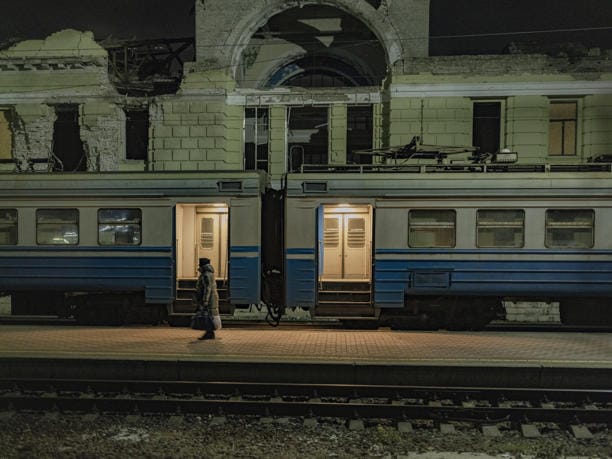

Ukraine’s vast 15,000-mile rail network, a symbol of national resilience and the backbone of its economy, has become a primary target of intensified Russian strikes. In 2025, the state railway company, Ukrzaliznytsia, reported more than 1,100 attacks on its infrastructure—a figure that matches the combined totals of the previous two years. Moscow has shifted its strategy to focus on paralyzing the logistics chain, targeting everything from locomotives and control towers to bridges and power substations.
The human and financial toll of this campaign is staggering. Direct damages have reached $5.8 billion, though officials warn that long-term reconstruction costs will be far higher. Recent months have seen a string of lethal strikes: a drone attack destroyed the railway station in Fastiv near Kyiv, while others have targeted substations and passenger trains in Dnipro and Sumy. Beyond the destruction of property, the workforce is under immense pressure; nearly a quarter of the company’s 180,000 employees have been killed, injured, or called to military service.
Despite the relentless barrages, the railway continues to operate through rapid-response repairs and technical adaptations. Teams work under air-raid sirens to clear debris and restore traffic within hours of a strike. To protect operations, Ukrzaliznytsia has begun lining train roofs with anti-drone jammers and encasing critical power equipment in concrete. For the millions of Ukrainians who rely on trains for evacuation and the shipment of grain and military aid, the survival of the rail system remains a matter of national security.