









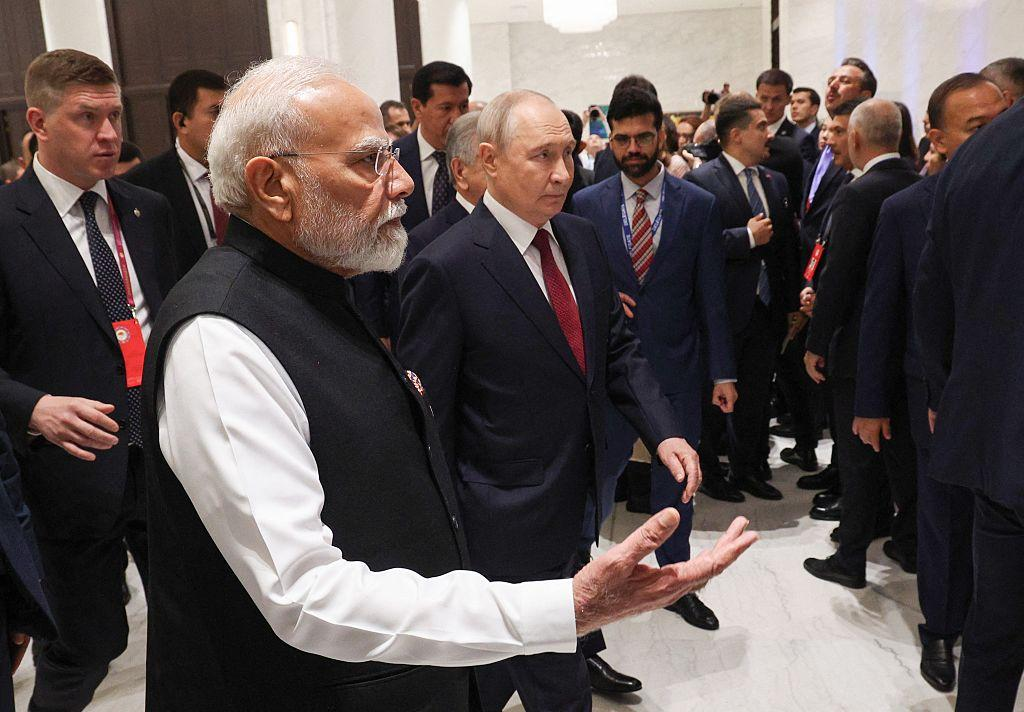

Rising economic strain, shifting regional alliances, and persistent military stagnation in Eastern Europe are pushing Russia’s traditional allies to abandon their cautious silence. In recent diplomatic summits, key regional partners including India and Kazakhstan have delivered unusually direct admonishments to Russian President Vladimir Putin, signaling a noticeable rift between Moscow and its longstanding international backers.
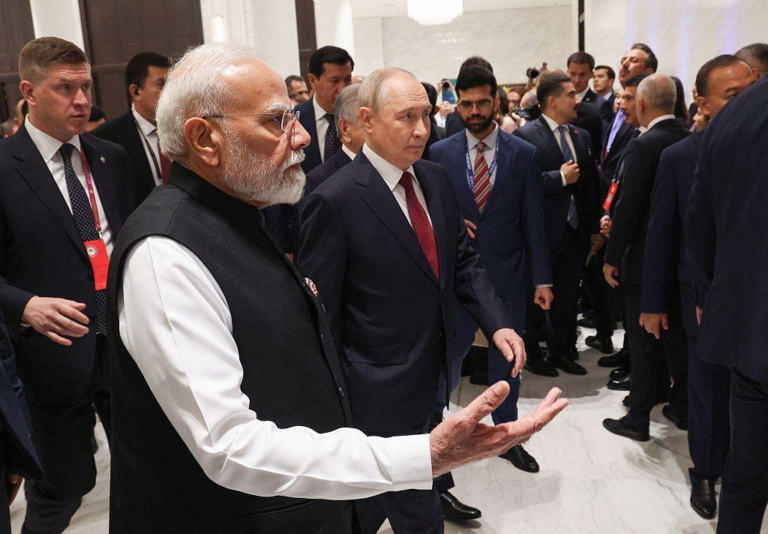
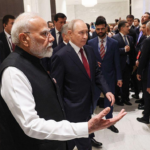
During a diplomatic summit in Kyrgyzstan, Indian Prime Minister Narendra Modi delivered a sharp public rebuke to Putin, declaring that the international community must transition “from an endless war to an end of war.” The remark underscored growing frustration in New Delhi, which has faced severe economic and diplomatic fallout from the ongoing conflict.
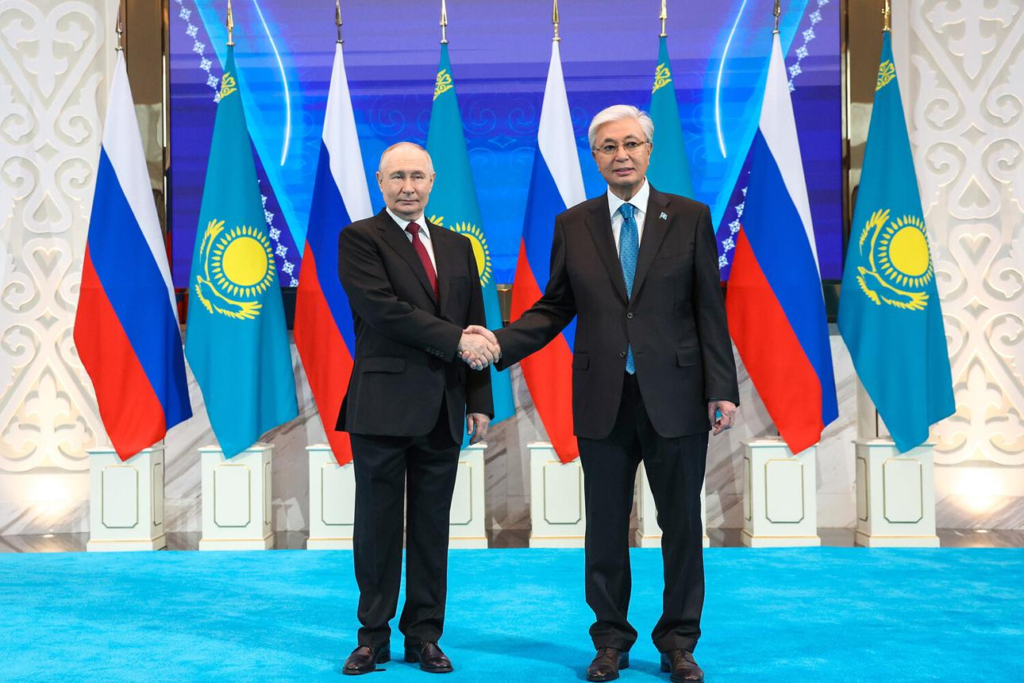
Modi’s pushback follows a similarly blunt intervention by Kazakh President Kassym-Jomart Tokayev during a meeting in Siberia. Tokayev directly challenged Putin regarding Moscow’s strategic objectives, stating that foreign governments are increasingly questioning the prolonged military campaign and noting that “the nature of the conflict isn’t entirely clear for many, including us.”
The diplomatic friction reflects severe secondary consequences impacting Moscow’s trade partners. India, historically a major recipient of Russian energy and defense exports, has faced mounting pressure from Washington, including punitive tariff threats of up to 50% tied to its Russian oil purchases. Human costs have also hit home, following a Black Sea missile strike on a cargo vessel in July that killed four Indian crew members.
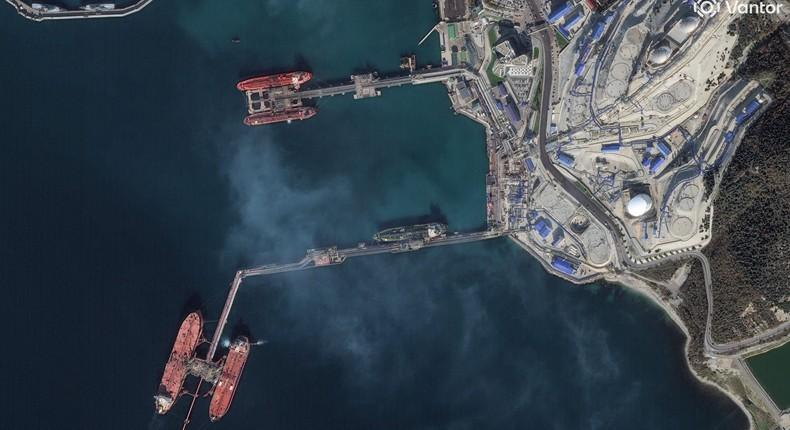
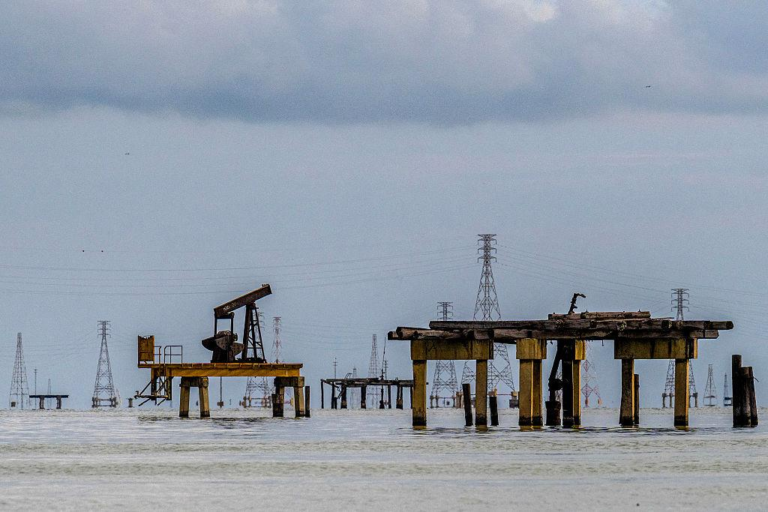
For Central Asian nations, security disruptions in the Black Sea have directly threatened vital export infrastructure. Drone strikes targeting Russian energy facilities have disrupted operations along the Caspian Pipeline Consortium (CPC) network, impacting oil delivery terminals in Novorossiysk that Kazakhstan relies upon heavily for crude exports to Western energy firms.
At the same time, regional powers in Central Asia and the South Caucasus are actively expanding ties with alternative international backers. Armenia has visibly decoupled from Moscow following security failures in Nagorno-Karabakh, moving toward Western-backed peace initiatives and U.S. capital investments. According to Hanna Notte, Eurasia director at the James Martin Center for Nonproliferation Studies, regional allies now operate with greater confidence, perceiving that Moscow’s military commitments in Ukraine have constrained its leverage abroad.