

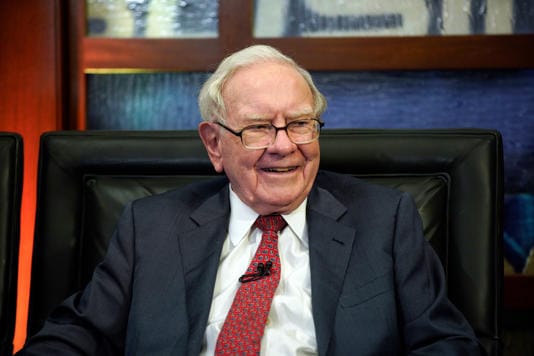

The “Oracle of Omaha” has officially passed the torch. After a staggering 60-year reign that redefined global finance, Warren Buffett stepped down as CEO of Berkshire Hathaway on December 31. At 95 years old, the world’s most famous value investor has officially handed the keys to his hand-picked successor, 63-year-old Greg Abel. While Buffett will remain as Chairman and continues to promise he’ll be “at his desk” every morning, the transition marks the most significant leadership shift in the history of American capitalism.
The numbers behind Buffett’s departure are almost incomprehensible. Since seizing control of a failing textile mill in 1965, Buffett has delivered a cumulative return of approximately 6,100,000%. To put that in perspective, an investor who held on for the full 60 years outperformed the S&P 500’s already impressive 46,000% gain by a factor of more than 130. Berkshire has transformed from a small operation into a $750,000-per-share titan, holding legendary stakes in Apple, Coca-Cola, and American Express, while sitting on a jaw-dropping $381.7 billion cash mountain.
Greg Abel, who joined the Berkshire family in 2000 and has overseen the company’s massive non-insurance operations for years, steps into the role with the stock price at historic highs. Yet, the mystery of who will manage the company’s nearly $300 billion stock portfolio remains unsolved. As the world’s 10th richest man retires to his modest 1958 Omaha home with a McDonald’s breakfast in hand, the financial world is asking one question: Can the Berkshire machine survive without the man who built it?