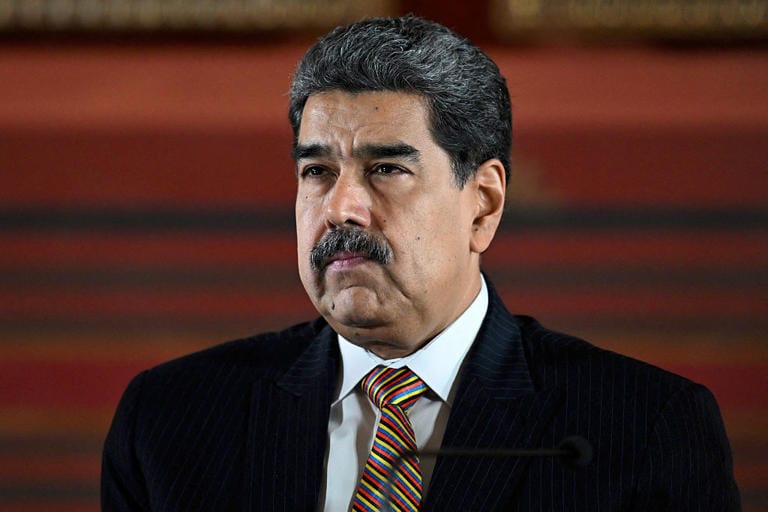

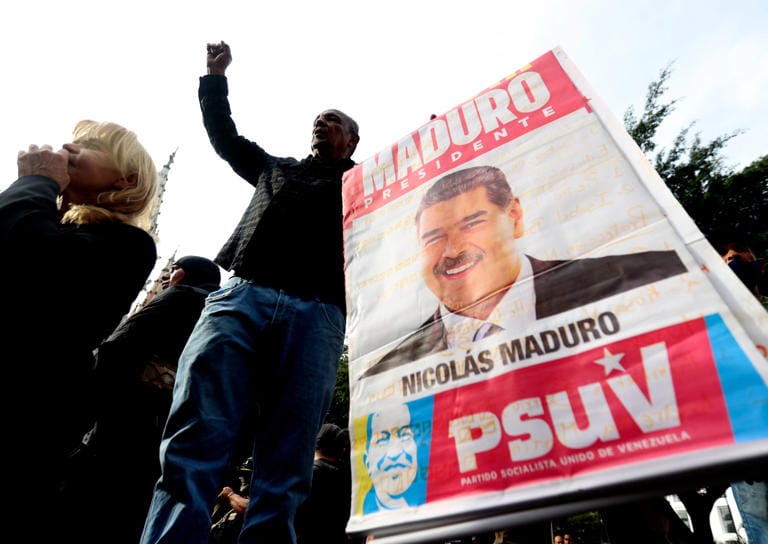

Following the January 3 military operation that resulted in the capture of President Nicolás Maduro, U.S. President Donald Trump announced that the United States will oversee the governance of Venezuela during an interim period. Speaking from Mar-a-Lago, the president stated that Washington would “run the country” until a “safe, proper, and judicious transition” is established. The announcement has drawn immediate comparisons from analysts and policymakers to previous U.S. interventions in Iraq and Afghanistan.
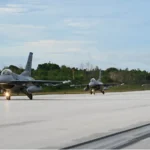
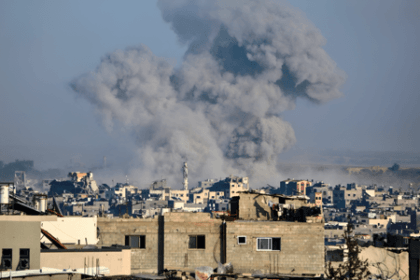
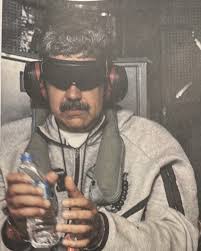
The U.S. operation, codenamed “Absolute Resolve,” involved more than 150 aircraft and targeted military and strategic infrastructure across northern Venezuela, including the capital, Caracas. Mr. Maduro and his wife, Cilia Flores, were taken into custody and transported to the United States to face federal charges of narco-terrorism and conspiracy. While the White House described the mission as a “law enforcement exercise” conducted with “overwhelming military power,” the sudden shift to administrative oversight has prompted domestic and international debate regarding the long-term implications of the mission.
The International Crisis Group and other regional analysts have noted that Venezuela, with a population of approximately 28 million, presents a complex political environment. Experts point to historical precedents in Iraq and Afghanistan, where the removal of leadership was followed by prolonged instability and significant human and financial costs. In Iraq, a 2003 invasion led to over 36,000 U.S. casualties and expenditures exceeding $3 trillion over two decades, while in Afghanistan, a 20-year involvement concluded with a withdrawal in 2021.
President Trump indicated that “all military options” remain on the table and expressed confidence in the U.S. ability to stabilize the nation. He also outlined plans for American energy firms to revitalize Venezuela’s oil infrastructure, suggesting that oil revenues could reimburse the costs of the operation. However, members of the U.S. Congress and international leaders have expressed concern. Democratic House Minority Leader Hakeem Jeffries cautioned that military force alone has historically struggled to foster lasting security, while nations including China, Russia, and Brazil have condemned the intervention as a violation of sovereignty.
As of January 4, Venezuelan Vice President Delcy Rodríguez has been ordered by the country’s Supreme Tribunal of Justice to assume the interim presidency. In a public address, she described Mr. Maduro as the “only president” and called for national unity against what she termed “imperialist attack.” The United Nations Security Council is scheduled to meet on Monday to discuss the legality and humanitarian impact of the U.S. actions.