
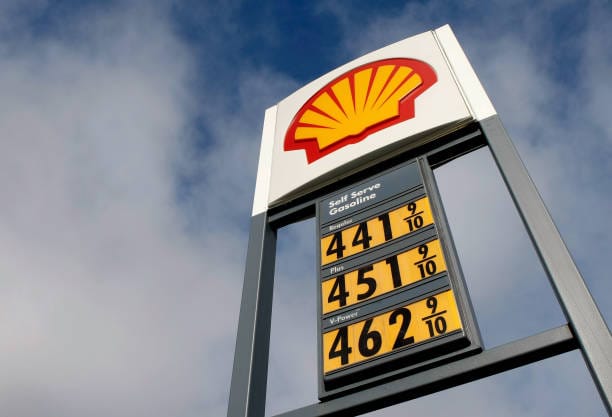

Energy major Shell is reportedly preparing to accelerate the development of the Dragon gas field in Venezuelan waters following recent changes in the country’s leadership and signals of support for investment from Washington. The project, which has faced significant delays due to U.S. sanctions, represents a multi-billion dollar opportunity with the potential to transform energy flows in the Caribbean.
The Dragon gas field holds an estimated 120 billion cubic metres of natural gas—approximately three times the annual consumption of the United Kingdom. Analysts estimate the project could generate nearly $500 million in annual revenue for up to three decades. While the field is located in Venezuelan territory, its proximity to existing infrastructure in Trinidad and Tobago makes it a strategic asset for international energy companies.
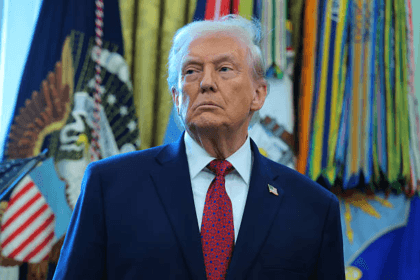
President Donald Trump has called for increased investment in Venezuela’s energy sector to stabilize infrastructure and boost global supply. While the administration has emphasized the role of U.S. firms, industry experts suggest that European majors like Shell and BP remain critical partners for managing financial and operational risks through joint ventures.
The revitalization of the Venezuelan energy sector comes at a time of increasing pressure on the Organization of the Petroleum Exporting Countries (OPEC). Venezuela, a founding member of the cartel, holds the world’s largest oil reserves but currently ranks 20th in global production. A significant increase in Venezuelan output could lead to a market surplus, potentially undermining OPEC’s ability to manage global price levels.
Oil prices saw an 18 percent decline in 2025, the largest annual drop since 2020. Market analysts suggest that a surge in Venezuelan production could add between one and two million barrels a day of excess supply, further challenging the price stability sought by OPEC+ members.
While Shell has declined to comment on specific timelines, the company is expected to prioritize its South American gas interests as licensing hurdles are addressed. BP also maintains interests in the region, including the Manakin-Cocuina field, and is reportedly seeking the reinstatement of licenses to resume activities.
Chevron remains the only major U.S. company currently operating in the country under specific government guidelines, stating that it continues to operate in full compliance with all relevant laws and regulations.