

Global oil prices experienced a slight decline on Monday as traders responded with relative indifference to the recent detention of Nicolás Maduro and the U.S. military intervention in Venezuela. Despite the country holding the world’s largest proven crude oil reserves, the immediate impact on global supply remains minimal, with markets focusing instead on a projected long-term surplus.
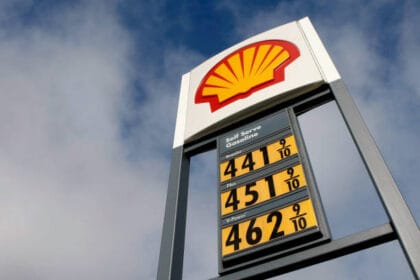
Brent crude fell approximately 0.5% to $59.82 a barrel, while West Texas Intermediate (WTI) slipped 0.6% to $56.97. The muted reaction is largely attributed to Venezuela’s current production levels, which account for less than 1% of total global output. Decades of infrastructure decay, mismanagement, and ongoing U.S. sanctions have capped production at roughly 1 million barrels per day (bpd), a sharp decline from the 3.5 million bpd seen in the late 1990s.
On Sunday, the OPEC+ alliance—of which Venezuela is a founding member—held a brief virtual summit. The cartel, led by Saudi Arabia and Russia, reaffirmed a decision to maintain current production levels through the first quarter of 2026. The group’s final statement made no mention of the situation in Venezuela, focusing instead on “market stability” and the health of global economic fundamentals. Analysts suggest this move aims to defend a price floor near $60 per barrel amid rising global inventories.
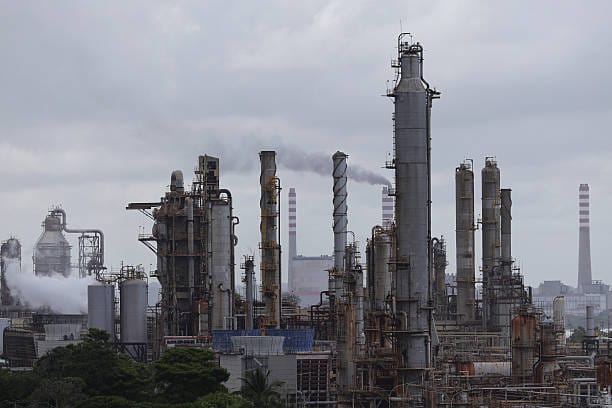
President Donald Trump has indicated that the U.S. intends to facilitate a revitalization of the Venezuelan energy sector. While some analysts believe production could return to historic levels relatively quickly if U.S. energy companies intervene, experts like Francisco Monaldi of the Baker Institute estimate that reaching 4 million bpd would require a decade and approximately $100 billion in investment.
In the near term, the market remains in a “hybrid curve.” While current supply is relatively tight, the long-term outlook suggests an abundance of oil, partly due to the potential re-entry of Venezuelan barrels and record output from non-OPEC producers such as the United States, Brazil, and Guyana.