

PROVO, Utah — As legal proceedings advance in the prosecution of Tyler Robinson, the case has drawn renewed attention to Utah’s aggravated murder statute and the severe penalties associated with the state’s only capital felony. Court rulings issued in late 2025, alongside newly released transcripts, offer insight into how prosecutors are preparing a potential death penalty case under Utah law.
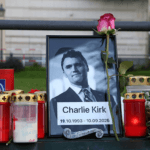
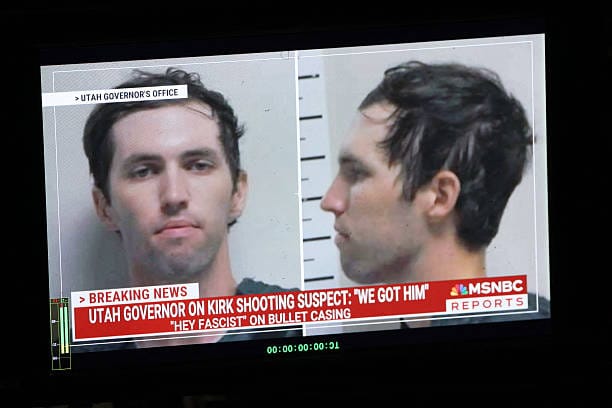
Robinson, 22, is charged with aggravated murder in connection with the September 2025 shooting of political activist Charlie Kirk at an event near Utah Valley University. Prosecutors have formally notified the court of their intent to seek capital punishment, a move that triggers heightened procedural safeguards under Utah’s criminal code.
What constitutes aggravated murder in Utah
Under Utah Code 76-5-202, a homicide may be charged as aggravated murder when specific statutory aggravating factors are alleged. These include conduct that knowingly creates a grave risk of death to others, offenses committed in public settings, and victim-targeting enhancements tied to protected activities such as political expression.
In court filings, prosecutors argue that Robinson’s alleged actions meet multiple aggravating criteria, elevating the case beyond first-degree murder and placing it within Utah’s narrow category of capital felony prosecutions.
Utah capital felony penalties
Aggravated murder is the most serious criminal charge recognized under Utah law. If a defendant is convicted, the court may impose one of three sentences:
- The death penalty, which requires prosecutors to file a formal notice of intent and present aggravating evidence during a separate sentencing phase.
- Life imprisonment without the possibility of parole, resulting in permanent incarceration.
- An indeterminate sentence of 25 years to life, allowing parole consideration only after the minimum term is served.
Each option follows a bifurcated trial process designed to ensure rigorous judicial review when capital punishment is sought.
Court rulings on transparency and fair trial rights
Recent hearings before Fourth District Court Judge Tony Graf addressed the balance between public access and the defendant’s right to a fair trial. While the defense requested restrictions on courtroom cameras, the court emphasized the importance of transparency given the case’s national profile.
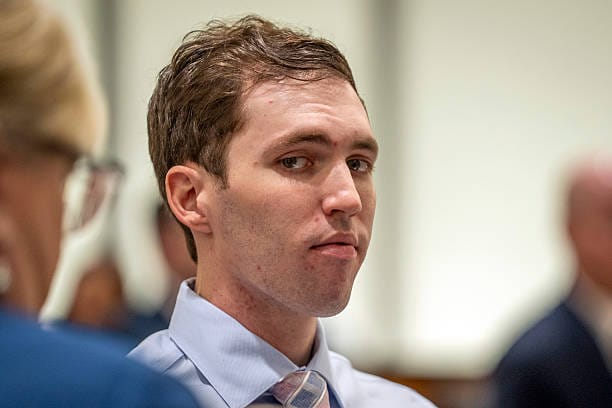
At the same time, the judge imposed limits on media coverage to reduce potential juror prejudice. Robinson has been permitted to appear in civilian clothing during hearings, but visual publication of physical restraints has been restricted.
Evidence disputes and procedural developments
Redacted transcripts released in late December detail disagreements between prosecutors and defense attorneys over extrajudicial statements and pretrial publicity. Defense filings argue that commentary from prominent political figures could influence prospective jurors, while prosecutors maintain that evidentiary safeguards remain intact.
Investigative materials referenced in court records include DNA evidence allegedly linking Robinson to a rifle recovered near the campus, along with digital communications examined as part of the inquiry. Prosecutors have not publicly presented a definitive motive, and the issue remains unresolved in formal court proceedings.
Why the case matters beyond the courtroom
Search interest surrounding the aggravated murder charge in Utah has risen alongside developments in the Robinson case, reflecting broader public scrutiny of capital punishment laws, victim-targeting enhancements, and politically motivated violence. Legal analysts note that how courts interpret these statutes may influence future prosecutions involving similar allegations.
A preliminary hearing is scheduled for May 2026, when prosecutors are expected to outline the evidence supporting the aggravated murder charge and related counts.