

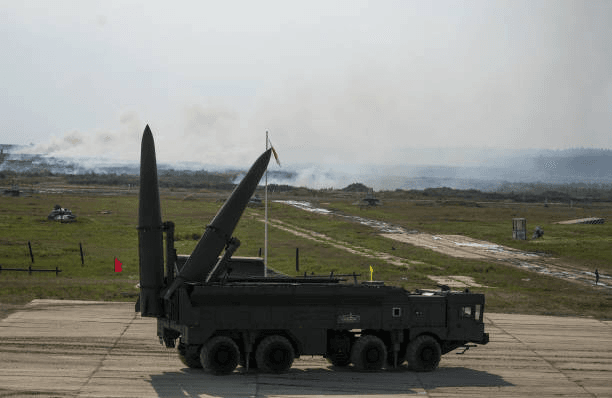
KYIV — Russia launched a coordinated, multi-axis air assault on Ukraine overnight, deploying a high-velocity Iskander-M ballistic missile alongside nearly 100 strike drones. The attack, which began late January 6 and surged into the early hours of January 7, 2026, targeted the northern, central, and eastern regions of the country, leaving a trail of shattered infrastructure and civilian casualties.
The Ukrainian Air Force confirmed that the Iskander-M was fired from the Taganrog region of Russia, while 95 strike drones—including the notorious Shahed and newer Gerbera models—were launched from Primorsko-Akhtarsk, Oryol, and occupied territories in Crimea and Donetsk.
Defense Shield Holds Under Pressure
Despite the sheer volume of the swarm, Ukrainian air defense units achieved a significant interception rate. Utilizing a combination of fighter aviation, anti-aircraft missile units, and electronic warfare (EW) suppression, the Defense Forces neutralized 81 drones and the sole ballistic missile.
However, the saturation strategy utilized by the Kremlin allowed 14 drones to penetrate the defensive umbrella. Impacts were recorded at eight distinct locations, with additional damage reported at five sites due to falling debris from intercepted targets.
Dnipro and Kryvyi Rih Under Fire
The human cost of the barrage was most visible in Dnipro, where a drone strike on a residential sector injured seven civilians, including two children. Mayor Borys Filatov reported significant damage to more than ten apartment buildings and several educational institutions, with hundreds of windows shattered and heating networks compromised.
This follows a separate ballistic strike on Kryvyi Rih just 24 hours prior, which crippled a critical infrastructure facility. The sustained pressure on Ukraine’s energy grid has resulted in localized power outages as engineers struggle to repair facilities targeted by both drones and artillery.
Technological Evolution of the Swarm
Military analysts noted the increased use of Gerbera drones—a lower-cost, foam-bodied alternative to the Shahed—designed specifically to overwhelm air defense sensors and deplete interceptor stockpiles. The Ukrainian Air Force remains on high alert as several UAVs reportedly remained in the airspace through Wednesday morning.