

Despite the high-profile capture of Nicolás Maduro by U.S. forces on January 3, 2026, President Donald Trump’s job approval remains locked in a net-negative stalemate. Early data from the first week of 2026 suggests the “Operation Absolute Resolve” military strike has failed to trigger the significant popularity surge historically associated with successful foreign interventions.
A Fractured Response to Caracas
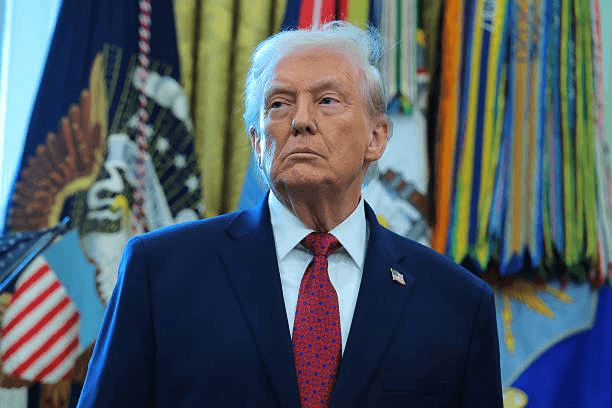
National tracking polls released between January 4 and January 7, 2026, reveal a country deeply divided over the military raid in Caracas. While the administration has heralded the extraction as a tactical masterpiece, voters are approaching the news through a lens of domestic economic anxiety and partisan skepticism.
According to Reuters/Ipsos data, Trump’s approval saw a marginal increase from 39% in December to 42% following the operation. However, this 3-point bump sits within the margin of error and is offset by a 56% disapproval rating. In contrast, the Economist/YouGov weekly survey reported no movement at all, with approval holding steady at 39% as of January 5.
Partisan Polarization on Foreign Soil
The lack of a “rally” effect is largely attributed to an unprecedented partisan gap regarding the use of force.
- Republicans: Approximately 65% approve of the military intervention.
- Democrats: Only 11% express support, with many citing concerns over international law.
- Independents: Approval sits at 23%, a critical demographic that has steadily eroded since mid-2025.
While Vice President JD Vance and Secretary of War Pete Hegseth have emphasized the mission’s role in curbing drug trafficking and securing regional oil interests, critics argue the move contradicts Trump’s “anti-war” campaign rhetoric. Representative Marjorie Taylor Greene and Senate Minority Leader Chuck Schumer have both questioned the prioritization of foreign regime change over the ongoing “affordability crisis” in the United States.
The New York Legal Front
As the political fallout continues in Washington, the focus shifts to the Southern District of New York. Maduro and his wife, Cilia Flores, pleaded not guilty to narcoterrorism charges on January 5. The administration’s claim that the U.S. will “run” Venezuela until a transition is finalized has already faced internal walk-backs, with Secretary of State Marco Rubio clarifying that the current Venezuelan government under Acting President Delcy Rodríguez remains a factor in the transition.
For the Trump administration, the immediate concern is not the battlefield, but the ballot box. With the 2026 midterms approaching, the plateauing approval ratings suggest that foreign victories may not be enough to shield the White House from voter dissatisfaction regarding inflation and domestic policy.