

Iranian authorities are declaring victory.
The streets are quieter. The cameras are dark. The internet is throttled. And more than 2,600 people are dead.
This is what the Islamic Republic is calling “restored stability.”
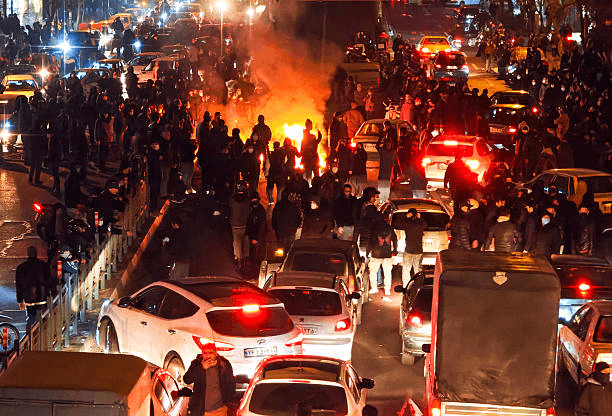
After more than two weeks of nationwide anti-government protests, Iranian state media says security forces have “regained control” following what human rights groups describe as one of the bloodiest crackdowns in modern Iranian history. The demonstrations, sparked by Iran’s collapsing currency and spiraling economic misery, spread rapidly from Tehran into every province in the country, with protesters openly calling for the end of the Islamic Republic itself.
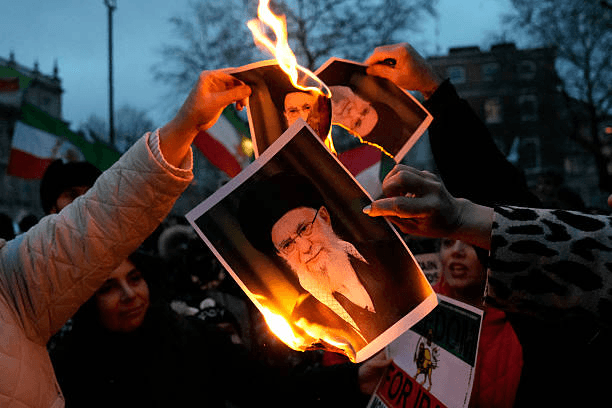
That was the line Tehran could not allow to be crossed.
According to Norway-based human rights organization Hengaw, Iranian military and police forces flooded cities across the country, including areas where protests had already died down. Checkpoints were erected. Armored vehicles deployed. Streets militarized. Anyone suspected of organizing demonstrations became a target.
Iranian state media confirmed multiple waves of arrests in Kerman and Kermanshah, proudly announcing the capture of alleged protest “leaders.” Police chief Brigadier General Ahmadreza Radan went further, declaring that “the last nail was driven into the coffin of terrorism.”
That “coffin” now contains thousands of civilians.
Eyewitnesses and human rights monitors report that security forces fired automatic weapons directly into crowds, carried out mass arrests, and conducted nighttime raids on homes. Bodies were removed quickly. Families were warned to stay silent. Funerals themselves became security risks.
Verifying the exact death toll has been deliberately made difficult.
Iran imposed a sweeping internet blackout, cutting off social media platforms, encrypted messaging apps, and foreign news access. Videos stopped flowing. Live streams vanished. The regime’s version of events became the only version most Iranians could see.
Despite the blackout, the U.S.-based Human Rights Activist News Agency (HRANA) estimates that as many as 2,677 people have been killed, including members of the security forces. The real number may be higher.
Even as Tehran insists the unrest has ended, sporadic protests continue, including reports that demonstrators destroyed an education office in Isfahan Province. The silence, activists warn, is not peace — it is fear.
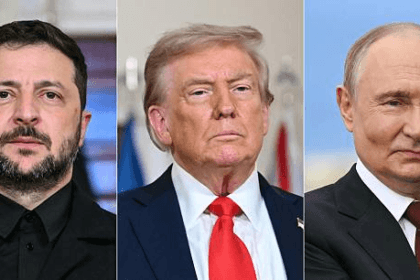
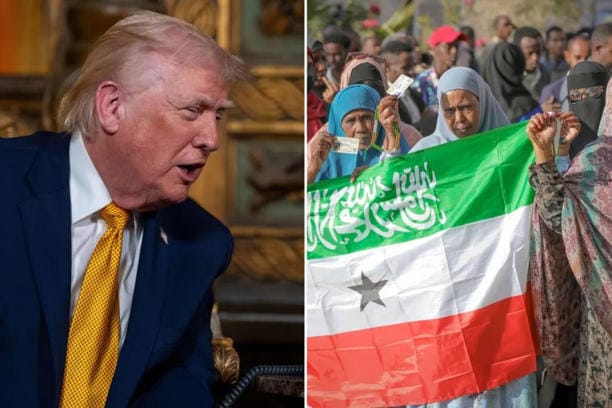
The violence triggered international alarm and direct warnings from U.S. President Donald Trump, who publicly threatened military action if Iran continued killing protesters. Tensions escalated further after reports surfaced that Iran was preparing to execute arrested demonstrators.
This week, Trump announced that Iran had halted executions. The White House later confirmed that executions of 800 prisoners were paused, though officials stressed that all options remain on the table. Regional allies including Israel, Saudi Arabia, Qatar, and Oman reportedly rushed to prevent a U.S. strike, fearing a wider Middle East war.
The Pentagon, anticipating potential retaliation, began moving personnel from Al Udeid Air Base in Qatar, which houses roughly 10,000 U.S. troops. Iran previously targeted the base following U.S. strikes on Iranian nuclear sites last year.
For now, Tehran has silenced the streets — but at an extraordinary cost.
Iran has not solved its economic collapse.
It has not addressed public rage.
It has not won legitimacy.
It has simply proven, once again, that when challenged, the Islamic Republic chooses bullets, blackouts, and mass graves over reform.
History shows this calm will not last.