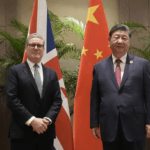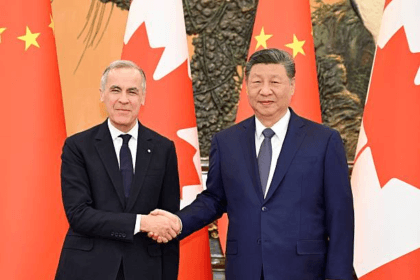


The architectural foundations of global diplomacy are being rewritten in Florida and Beijing. On Tuesday, January 20, 2026, Chinese Foreign Ministry spokesperson Guo Jiakun confirmed that the United States has formally invited the People’s Republic of China to join the “Board of Peace” (BoP). While Beijing is currently maintaining a “dynamic stability” with Washington following a fragile trade truce, the invitation poses a massive geopolitical dilemma: join a U.S.-led order for a staggering $1 billion fee, or stay on the sidelines of the most aggressive diplomatic restructuring since the end of WWII.
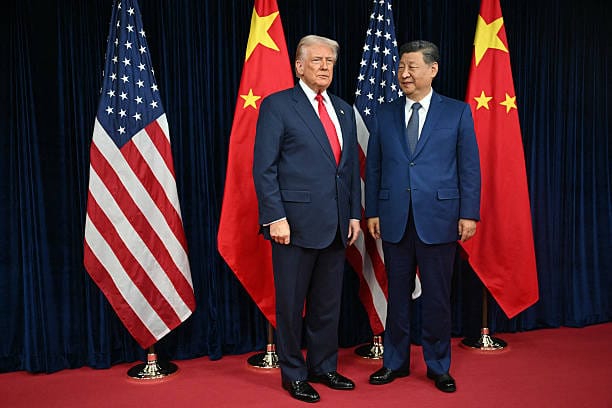
The Board of Peace is not just another committee. According to leaked drafts of its founding charter, the body is designed to be chaired for life by Donald Trump. While it was born from UN Security Council Resolution 2803 to oversee the reconstruction of Gaza, the charter’s language has expanded to cover any area “threatened by conflict”—including potential flashpoints like Ukraine, Venezuela, and the Arctic. With invitations sent to over 60 nations, including Russia and Canada, Trump is effectively creating a “G60” that answers directly to him, bypassing the often-deadlocked UN Security Council.
The Controversy Everyone Is Ignoring
The most explosive element of the BoP is its monetized membership structure. While nations can join for a “standard” three-year term at the Chairman’s discretion, a $1 billion cash contribution within the first year secures permanent membership. Critics and UN diplomats are calling this “sovereign extortion,” arguing that it creates a two-tiered global system where the wealthiest nations buy permanent influence over world conflicts. Furthermore, the charter gives Trump “exclusive authority” to modify or dissolve subsidiary entities, essentially making him the sole arbiter of global “stability.”
Background & Context
The timing of the invitation is no accident. Trump’s administration has already announced withdrawals from nearly half of all UN-affiliated treaties and organizations. By inviting China—a permanent member of the UN Security Council—Trump is forcing Beijing to choose between the legacy institution it partially controls and a new, nimble, but expensive “Board” that prioritizes “Trump-led” efficiency over multilateral debate. This comes just days after Trump linked his aggressive Arctic policy and Greenland annexation threats to his frustration over being denied the 2025 Nobel Peace Prize.
The Cold Hard Truth from the Insiders
Insiders at the Abraham Accords Peace Institute and the White House suggest that the $1 billion “commitment” is a litmus test for loyalty. While Hungary and Vietnam have already accepted, major European powers like France have signaled they will refuse, fearing the BoP will act as a “rival” to the UN. For China, the $1 billion fee is pocket change, but the loss of face in joining a board chaired for life by a U.S. President is a much higher price. As the World Economic Forum in Davos approaches, the world is waiting to see if Beijing will pay the “king’s ransom” or lead the resistance against Trump’s new world order.