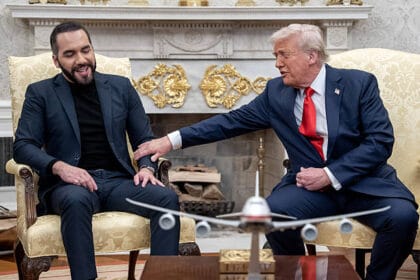


The push to turn Greenland into the 51st state—or a U.S. territory—is being met with fierce resistance from the very people who live there. On January 20, 2026, Inuit advocacy groups issued a stark “history warning,” citing the 150-year legacy of the Alaska Purchase. In 1867, the U.S. bought Alaska from Russia without consulting a single indigenous person; the result was a century of forced assimilation, the stripping of land rights, and a “suicide epidemic” that still haunts Alaska Native communities today, where suicide rates remain nearly 4 times the U.S. average.
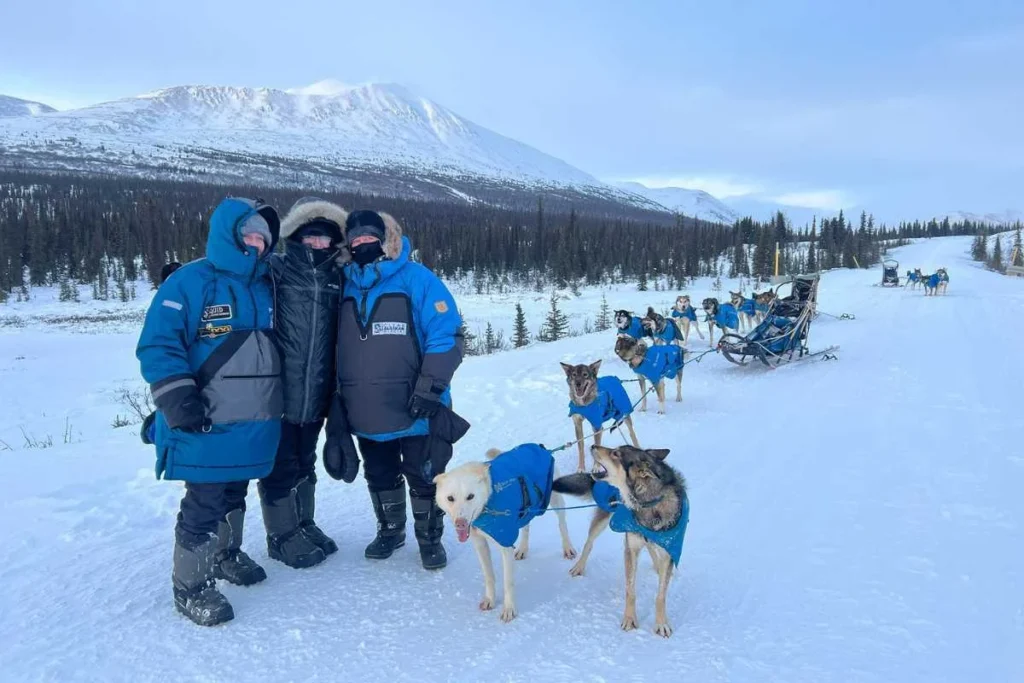
For Greenland’s 56,000 residents, the American model looks like a step backward. Under Danish rule, Greenland has moved steadily toward total independence, gaining control over its justice system, mineral rights, and education. Critics argue that moving under U.S. sovereignty would likely turn Greenland into the next “Puerto Rico of the North”—a strategic asset with residents who are subject to U.S. law but lack full voting representation in Congress.
The Hidden Agenda
The Trump administration argues that the “security gap” in the Arctic is an emergency. The Hidden Agenda isn’t just defense; it’s the Northern Sea Route. As climate change thins the ice, this route is becoming the “Suez Canal of the North.” Russia currently dominates this space with a fleet of over 40 icebreakers, including nuclear-powered giants. The U.S., by comparison, has only three aging vessels. Annexing Greenland would give the U.S. a massive territorial claim to the Arctic seabed and its trillions of dollars in untapped minerals, oil, and gas—assets that indigenous leaders fear would be extracted by multinational corporations with zero benefit to the local Inuit.
The Anatomy of a Failure
The contrast between Danish and American indigenous policy is the core of the debate. While Denmark’s relationship with Greenland has had deep flaws—including a recently exposed 1960s “IUD campaign” aimed at population control—the modern Danish model supports indigenous self-determination. In contrast, the American record in Alaska is often seen as one of “resource extraction over human welfare.” Many Alaska Native villages still lack basic running water and face staggering unemployment, a “Third World” reality inside the world’s wealthiest nation.
The Brutal Reality
The Brutal Reality is that Greenland is being treated as a “property” rather than a “people.” Inuit leader Malu Rosing recently stated that talk of “buying” the island evokes traumatic colonial memories of land being treated as a commodity. Trump’s assertion that the U.S. needs Greenland for defense is also being questioned; the U.S. already operates Pituffik Space Base (formerly Thule) under a treaty with Denmark. Sovereignty isn’t required for security, but it is required for total control of the Arctic’s future riches. For the Inuit, the choice is clear: keep the gradual path to independence with Denmark, or risk becoming a military outpost for a nation that has historically failed its own Arctic citizens.