

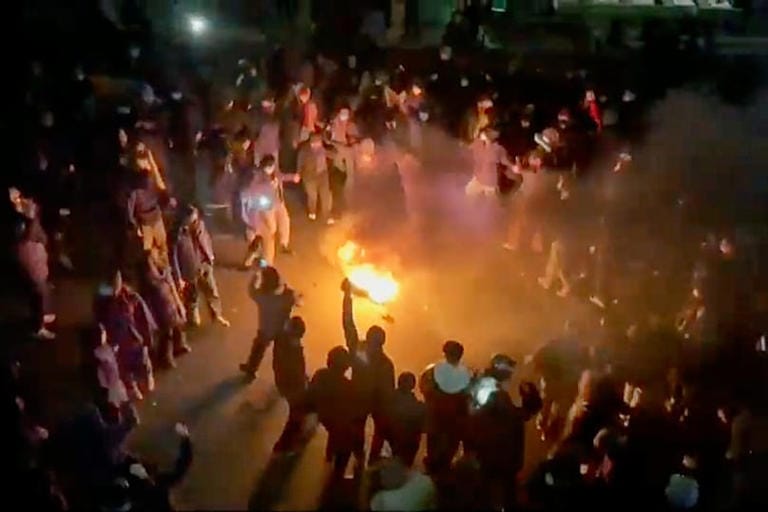
The death toll from Iran’s nationwide crackdown on anti-government protests has exceeded 4,000, according to the Human Rights Activists News Agency, a U.S.-based organization that tracks unrest inside the country.
The group said on Tuesday that at least 4,029 people have been killed since protests escalated, including 3,786 demonstrators, 180 members of security forces, 28 children, and 35 people who were not participating in protests. The agency added that the true number is likely higher as Iran continues to restrict internet access, limiting the flow of information.
The organization said its figures are based on a long-established network of activists inside Iran who verify fatalities through multiple sources. It has been widely cited by international media during previous waves of unrest.
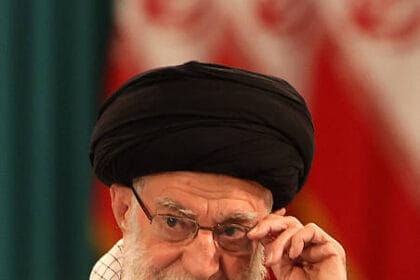
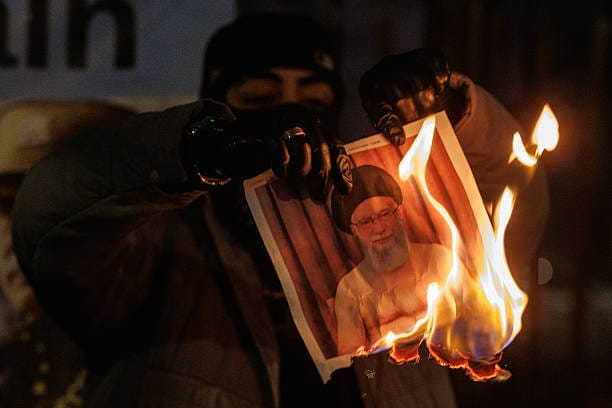
Iranian authorities have not released an official death toll. However, Supreme Leader Ayatollah Ali Khamenei acknowledged for the first time over the weekend that “several thousand” people had died, blaming the United States for fueling unrest.
The Human Rights Activists News Agency also reported that more than 26,000 people have been arrested. Rights groups say statements from Iranian officials have raised fears that some detainees could face execution, further intensifying international concern.
The crackdown has led to diplomatic consequences. The World Economic Forum withdrew an invitation for Iran’s Foreign Minister Abbas Araghchi to attend the Davos meeting in Switzerland, citing the scale of civilian deaths. The Munich Security Conference also rescinded invitations to Iranian officials.
Araghchi condemned the decision, claiming his exclusion was the result of “political pressure” and misinformation.
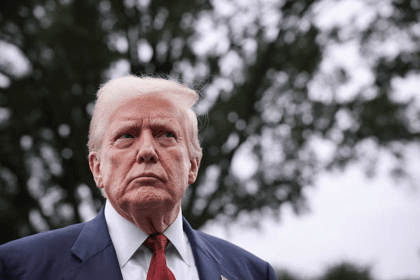
Tensions between Tehran and Washington remain high. Donald Trump has said his administration has drawn two red lines: the killing of peaceful protesters and the use of mass executions. Trump has repeatedly warned that the United States would respond if those thresholds are crossed.
U.S. media reports say the aircraft carrier USS Abraham Lincoln recently transited through the Strait of Malacca, placing it on a route toward the Middle East. While officials have not announced any deployment decision, analysts note the movement has drawn attention amid escalating rhetoric.
Despite these developments, military analysts caution that any intervention would face logistical and political obstacles, particularly opposition from Gulf Arab states and the absence of a full U.S. carrier strike group currently stationed in the region.