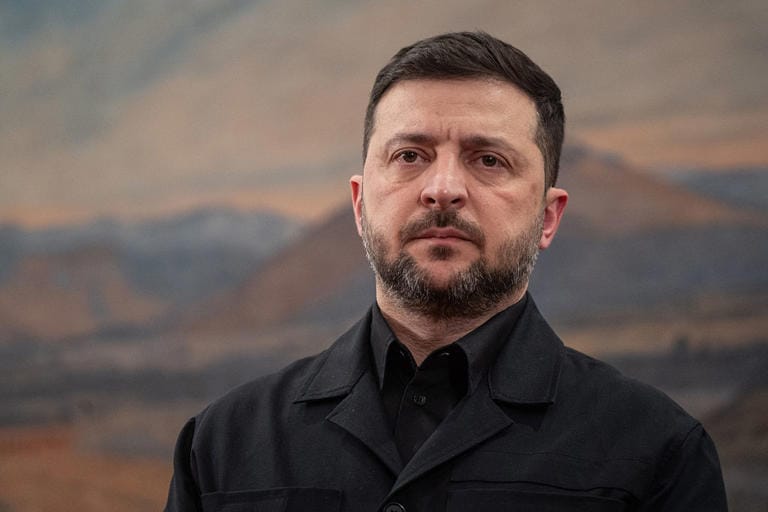


The air in the Swiss Alps was thin, but the tension in the Davos Congress Centre was suffocating on Thursday, January 22, 2026. Volodymyr Zelenskyy did not walk onto the stage as the petitioner of years past. Instead, he arrived as a leader who had run out of patience, comparing the European response to the film Groundhog Day. In a searing address to the World Economic Forum, Zelenskyy signaled a massive shift in the global search for peace, revealing that while Europe “loves to discuss the future,” he has already begun drafting the final documents to end the war alongside Donald Trump.
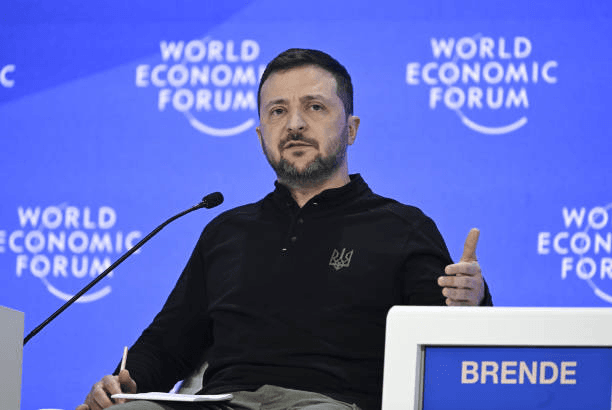
The speech was a deliberate “farewell” to the old world order. Zelenskyy pointed a finger at the Russian “shadow fleet”—tankers carrying sanctioned oil that continue to traverse European shores, effectively funding the missiles falling on Kryvyi Rih. “Why can President Trump stop tankers and seize oil, but Europe cannot?” he demanded. While the European Union remains mired in legal debates over frozen Russian assets, the Trump Administration has moved toward a transactional solution. Following a “productive and meaningful” meeting with Trump in Davos, Zelenskyy confirmed that teams from both nations are working daily on a peace deal that is now “nearly, nearly ready.”
The most explosive revelation, however, was the announcement of an emergency trilateral summit set to begin tomorrow, Friday, January 23, in the United Arab Emirates. This marks the first time since the 2022 invasion that Ukraine, Russia, and the United States will sit at the same table to discuss a ceasefire and post-war security. Zelenskyy admitted that while nations like France and the UK have offered ground forces, those guarantees are hollow without the U.S. “backstop.” As the delegation prepares to fly to Abu Dhabi, the message to Brussels was unmistakable: the era of European-led mediation has stalled, and the “last mile” of the road to peace is being paved by Washington.