
Eyewitness accounts from Iran paint a chilling picture of a nationwide crackdown spiraling into open brutality. As protests over economic hardship erupted into the largest anti-government demonstrations since 1979, security forces allegedly opened fire on crowds—shooting young protesters in the back and blasting shotgun pellets into a doctor’s face—while an internet blackout smothered the country.
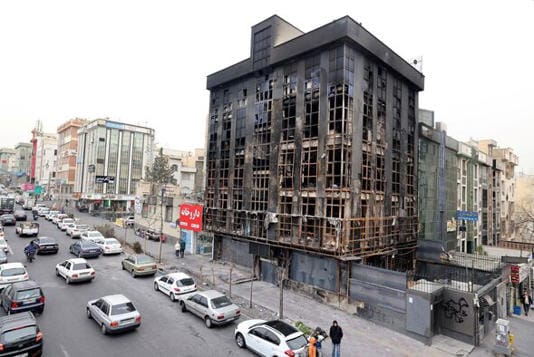
Speaking to Agence France-Presse in Istanbul, a 45-year-old engineer using the name Farhad described how calm demonstrations quickly turned deadly. On the first day, he said, security forces kept their distance. On the second, they began shooting to disperse the crowds. He witnessed armed personnel jumping from vehicles and firing rifles and shotguns at youths roughly 100 meters away—aiming at backs, heads, and torsos.
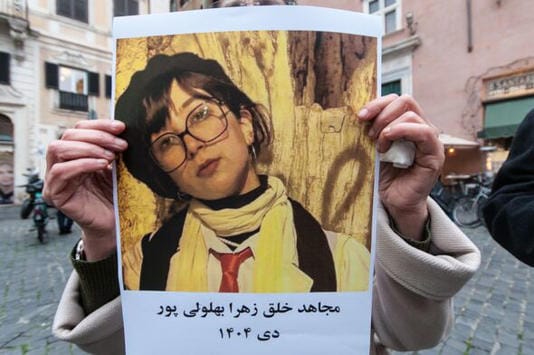
Human rights groups Amnesty International and Human Rights Watch have accused Iranian security forces of using metal pellets and live fire against demonstrators. With hospitals monitored by authorities, the wounded were too afraid to seek treatment, Farhad said, warning that anyone arriving with gunshot or pellet injuries risked detention and interrogation.
The blackout, imposed January 8, has left eyewitness testimony as the primary window into events. Norway-based Iran Human Rights says it has verified at least 3,428 deaths, cautioning the true toll could be far higher—possibly between 5,000 and 20,000.
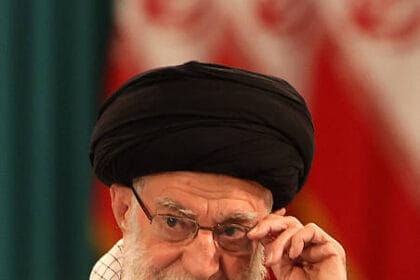
Farhad described seeing children as young as six or seven chanting against Ali Khamenei, while security forces conducted spot checks for injuries or protest footage on phones. “If they see anything related to this revolution, you are finished,” he said.
Despite the fear, he insists the anger runs deeper than intimidation. Protesters remain determined, convinced the system cannot endure—and some believe external pressure, including statements by Donald Trump, could soon change the calculus.