


Ukrainian air defenses have downed a Russian jet-powered Geran-4 drone armed with an R-60 air-to-air missile, marking a dangerous new turn in Moscow’s drone war. The takedown—confirmed by Ukraine’s unmanned forces during the January 13–14 window—exposed Russia’s push to transform cheap strike drones into fast, missile-firing hunters capable of targeting helicopters and low-flying aircraft.
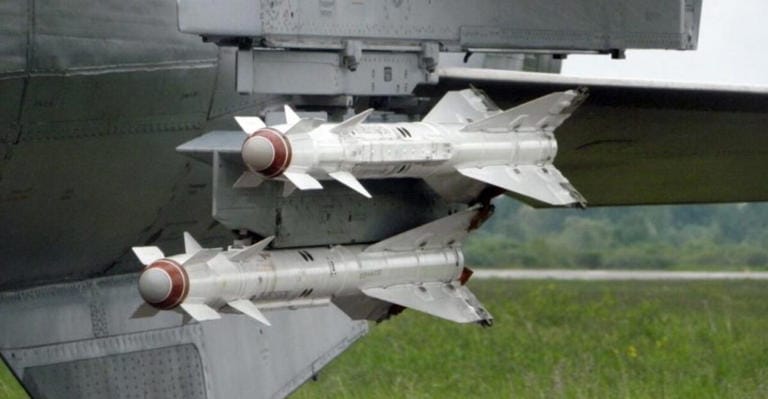
Unlike propeller-driven Shaheds, the Geran-4 sprints at up to 500 km/h with an ~850 km range, compressing reaction times from minutes to seconds. After launching its missile, the drone can still press a bombing run—forcing defenders to treat every contact as a dual threat.
The missile itself is a Cold War revival. The R-60, a heat-seeking weapon originally built for Soviet fighters, locks onto engine signatures and accelerates to Mach 2.7. Operators reportedly cue targets via onboard cameras and mesh modems, fire the missile, then continue the attack—reshaping how air defenses must respond.
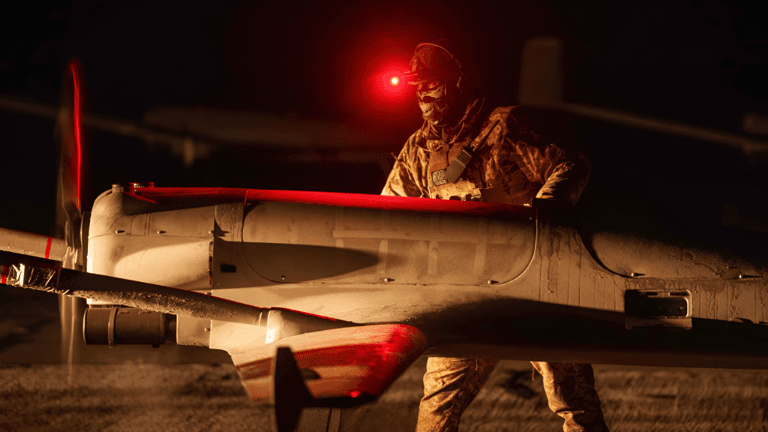
Ukraine countered fast. On January 15, a STING interceptor from the Wild Hornets group destroyed another Geran-4 carrying an R-60—the first confirmed kill of its kind. At roughly $2,500 per unit, STINGs race at 315 km/h and have eliminated 1,000+ Russian drones in four months, sparing million-dollar interceptors for higher-end threats.
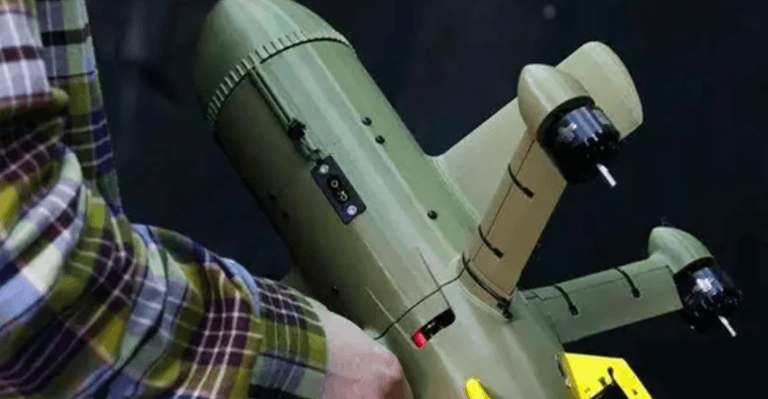
Meanwhile, Russia is scaling hard. Variants now range from Geran-2 (slow strike), to Geran-3 (jet), to a reported Geran-5 concept pushing 600 km/h with heavier warheads and longer reach. Ukrainian commanders warn production targets are soaring—turning the sky into a volume game where speed, cost, and iteration decide outcomes.
This is no longer just about drones. It’s a live-fire test of drone-as-interceptor warfare—and whoever wins the cost-curve race could export the model worldwide.