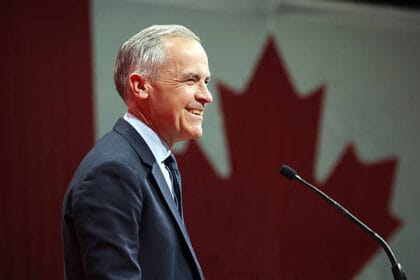


Canada’s China strategy is under fire after Prime Minister Mark Carney returned from Beijing claiming he “expects” Chinese investment in Ontario’s auto sector—without naming a single confirmed deal, dollar figure, or job commitment.
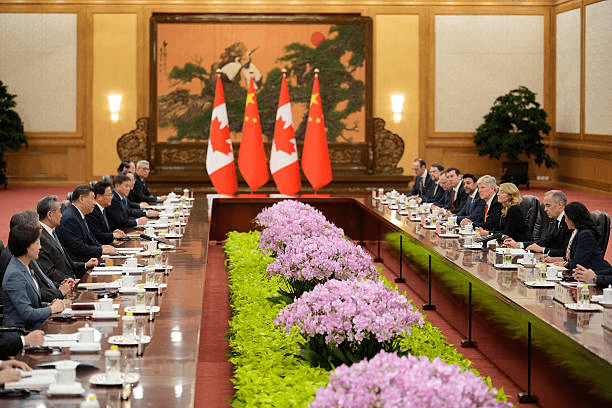
Critics say the language sounds less like diplomacy and more like guesswork. Carney’s comments followed high-level meetings with Xi Jinping, where Ottawa touted “opportunities” tied to an influx of nearly 50,000 Chinese electric vehicles entering Canada at reduced tariff rates.
But skeptics argue those “opportunities” look suspiciously like job losses. Replacing tens of thousands of domestically built vehicles with imports, they say, doesn’t grow Ontario’s auto sector—it undercuts it. Manufacturing jobs shift overseas, while Canada absorbs the imports.
The backlash didn’t stop there. Separate comments about potentially sending Canadian troops to Greenland drew ridicule, with critics pointing to years of military underfunding. Others piled on over fears that Ottawa is bending to global powers—China abroad, Washington next—without securing tangible returns.
From trade concessions to foreign policy signals, the message from critics is blunt: expectations are not investments, and promises are not paychecks.
As pressure builds, Canadians are asking a simple question the government hasn’t answered yet—where, exactly, are the benefits?