

A historic proposal for a binding non-aggression pact has hit the table, but behind closed doors, US Intelligence is painting a much darker picture of the road ahead.
The world woke up on Monday to a stunning diplomatic move from Moscow. Russian Deputy Foreign Minister Sergei Ryabkov announced that the Kremlin is ready to sign a legally binding agreement confirming it has “no intention of attacking” NATO, the EU, or the United States. It’s a bold offer aimed at cooling the temperature in a Europe that has been on a war footing for nearly four years.
But while the ink on the proposal is still wet, the alarms are already screaming in Washington. Six sources familiar with classified US intelligence assessments say the “peace” being offered doesn’t match the reality on the ground. According to these reports, Vladimir Putin hasn’t abandoned his ultimate goal: the total subjugation of Ukraine and the reclaiming of territories from the former Soviet empire.
This creates a massive “credibility gap” that has the West split down the middle.
The “New Frontier” of Peace Talks
In Miami, the atmosphere is more optimistic. President Trump’s peace envoys, Jared Kushner and Steve Witkoff, have been hammering out a 20-point peace plan with Russian and Ukrainian representatives. The White House says they are “closer than ever” to a breakthrough. The plan reportedly involves a 800,000-troop cap on the Ukrainian military and a “European-led” security force to keep the peace.
Director of National Intelligence Tulsi Gabbard has even pushed back against her own agencies, stating that Russia likely lacks the capacity to overrun Europe and genuinely wants to avoid a larger war.
The Baltic “Front Line” Fears
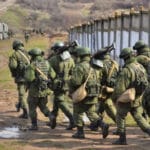
However, the view from Warsaw and Tallinn is far from peaceful. European leaders in Poland and the Baltics are convinced that any “legal guarantee” from Russia is just a tactical pause to allow the Kremlin to re-arm. They point to the fact that Russia currently occupies 20% of Ukraine and shows no signs of leaving Crimea or the Donbas. For these nations, a “guarantee” is just paper—they want hardware, defenses, and a hard line that doesn’t bend.
As the negotiators head back to their respective corners, the question remains: Is Russia offering a genuine exit ramp to save its economy and end the bloodshed, or is this a “Trojan Horse” treaty designed to lower the West’s guard?