

While the world recently celebrated the Nobel Peace Prize win for Japan’s atomic bomb survivors, a silent and aging group of victims in China continues to die in obscurity without apology or compensation. These are the survivors of Unit 731, the Imperial Japanese Army’s notorious biological warfare division, which unleashed devastating plagues and conducted gruesome human experiments during World War II.
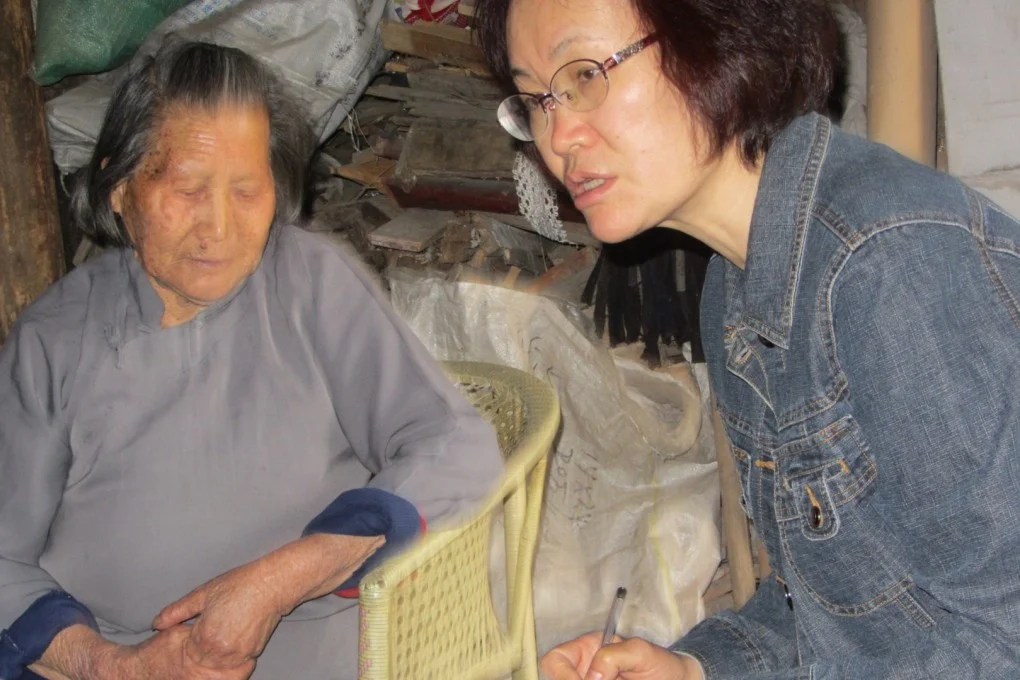
Unlike the “Hibakusha” of Hiroshima and Nagasaki, victims like Wang Jinti from Chongshan village never saw international recognition for their suffering. Chongshan was one of many targets where Japanese forces dropped plague-infected fleas and contaminated supplies, leading to outbreaks that decimated entire communities. Decades later, survivors and their families are still fighting a legal and diplomatic battle against a Japanese government that largely refuses to acknowledge the full extent of the atrocities or provide direct reparations.
The disparity in justice remains a point of deep contention in China-Japan relations. While survivors of nuclear weapons have successfully campaigned for global disarmament, the victims of biological weapons—often from impoverished rural areas—struggle to keep their stories alive. As the last generation of direct witnesses passes away, the window for a formal resolution is rapidly closing, leaving a legacy of biological terror that remains unaddressed by international courts or the perpetrators.