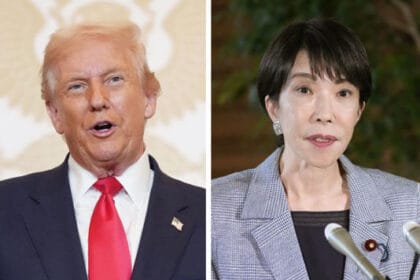


(In one of the most consequential shifts in Canadian foreign policy in decades, Prime Minister Mark Carney has officially moved to “reset” ties with Beijing, hailing a “new strategic partnership” aimed at diversifying trade away from a volatile United States.)
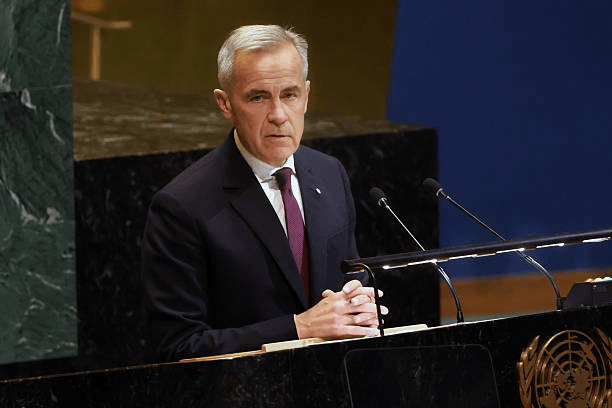
During a landmark state visit to Beijing on January 16, 2026—the first by a Canadian leader in eight years—Carney and President Xi Jinping released a joint statement outlining a framework based on “mutual respect and ambition”. Central to this partnership is a “landmark” trade agreement-in-principle that will see China slash tariffs on Canadian canola (from 85% to 15%) by March 1, 2026, in exchange for Canada lowering its 100% tariff on Chinese Electric Vehicles (EVs) to just 6.1% for an initial 49,000 units. Carney emphasized that while the two nations have different political systems, they must “see the world as it is” to create stability and prosperity.
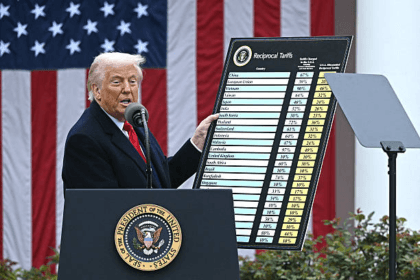
However, the “respect and ambition” of the deal has set off a firestorm in Washington. President Donald Trump has threatened to impose 100% tariffs on all Canadian goods, claiming Carney is turning Canada into a “Drop Off Port” for cheap Chinese products to “pour” into the U.S.. On Sunday, January 25, Carney pushed back, insisting Canada has “no intention” of signing a full free trade agreement with China and remains committed to its CUSMA obligations, describing the current deal as a narrow “rectification” of recent trade disputes.