
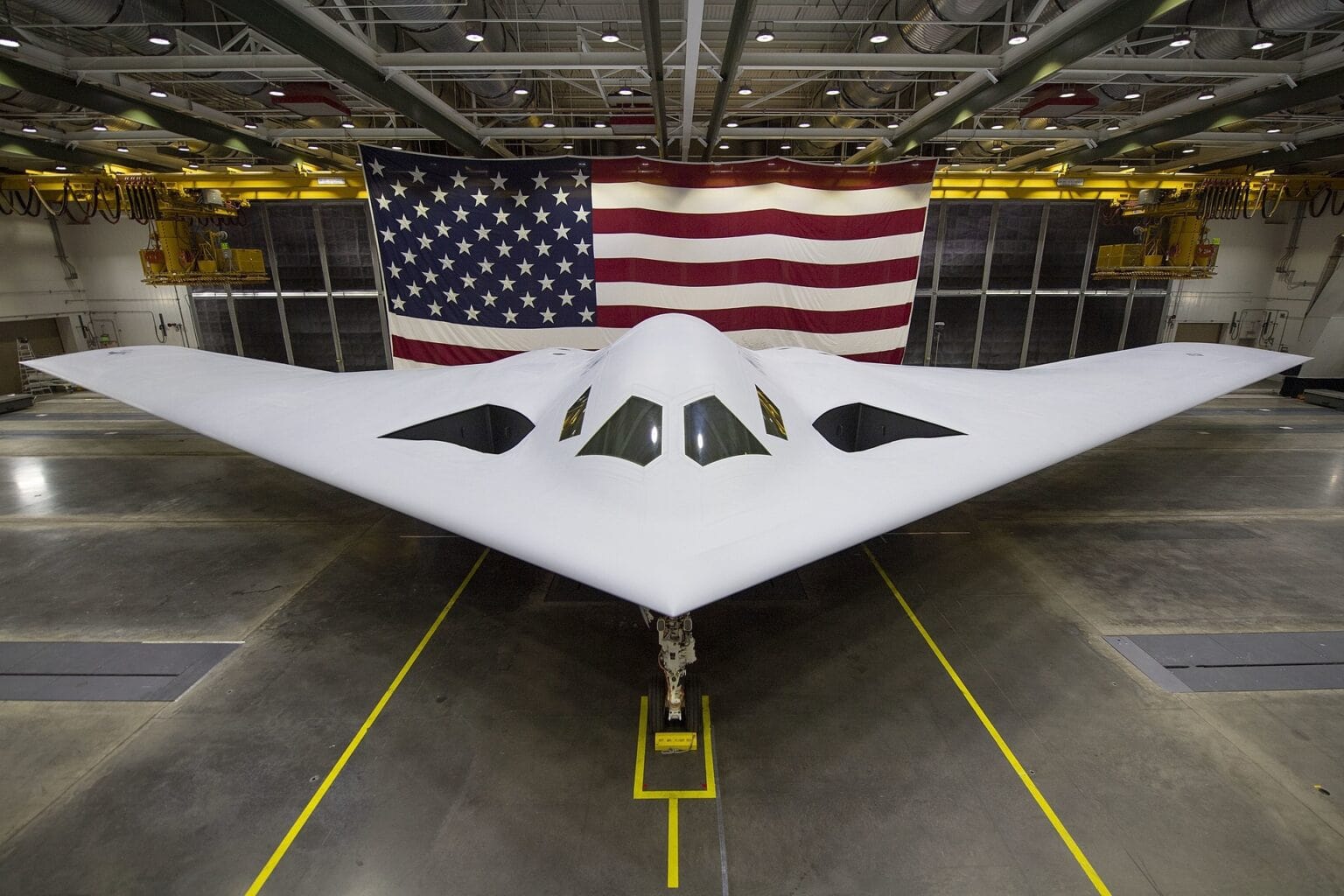

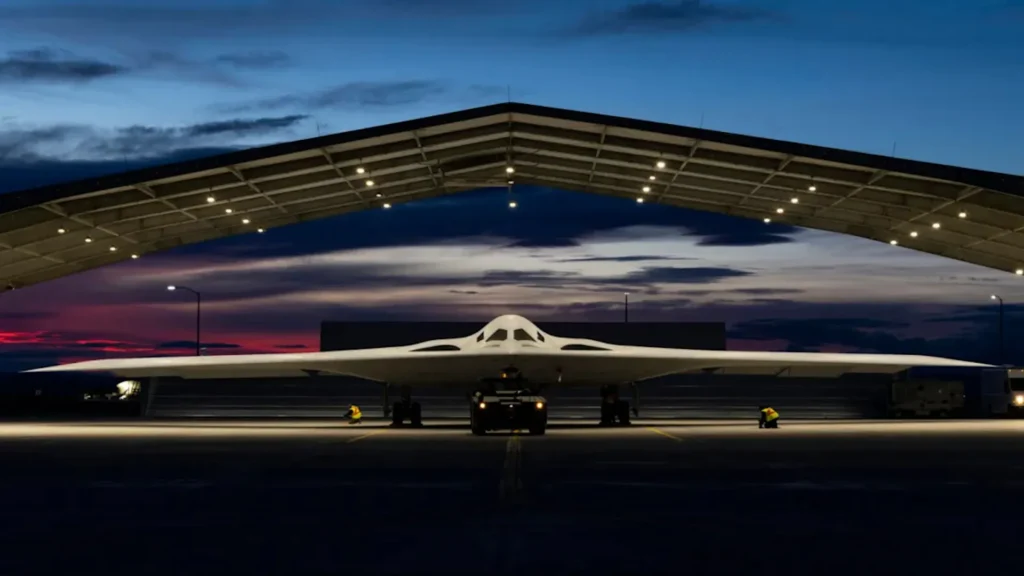
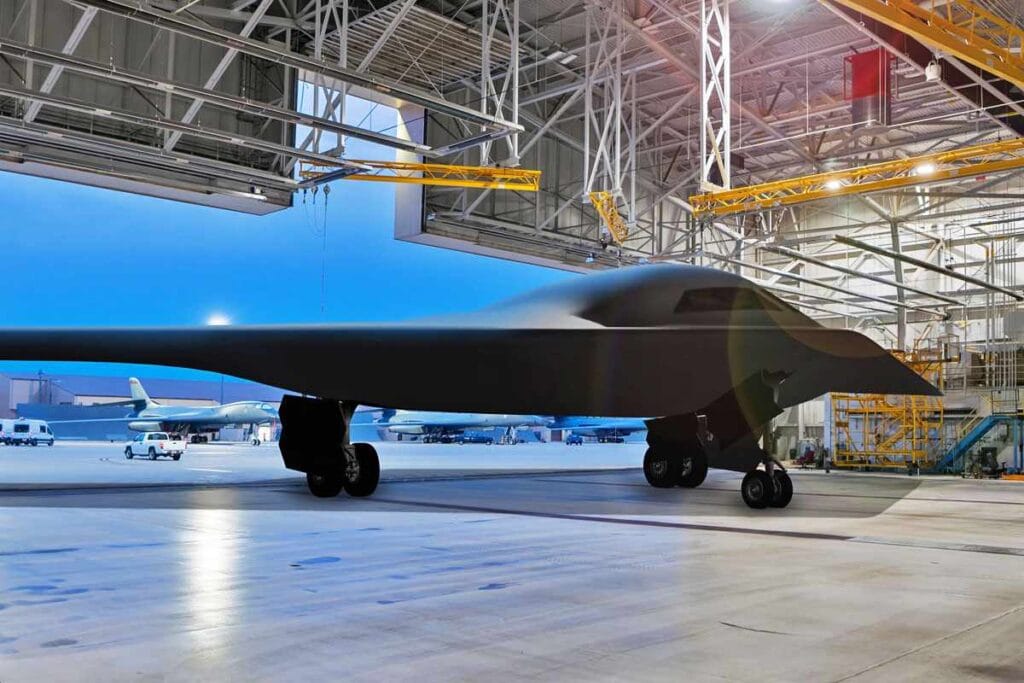
BEIJING — In a direct challenge to American air superiority, Chinese military scientists claim to have developed a revolutionary simulation platform that identifies critical aerodynamic and stability weaknesses in the U.S. Air Force’s newest stealth asset, the B-21 Raider.
The software, dubbed PADJ-X, was unveiled in a peer-reviewed paper published in Acta Aeronautica et Astronautica Sinica this week. Led by Huang Jiangtao of the China Aerodynamics Research and Development Center, the team argues that their “all-in-one” design tool can deconstruct and optimize foreign stealth configurations using only publicly available data—potentially neutralizing the “invisible” advantage of the Northrop Grumman bomber.

Breaking the “Curse of Dimensionality”
Traditional aircraft design relies on exhaustive trial-and-error simulations that can take years. The PADJ-X system utilizes adjoint optimization technology, allowing researchers to adjust nearly 300 design parameters simultaneously.
By applying this to a conceptual model of the B-21, the researchers reported a 15% increase in lift-to-drag ratio and a reduction in shock-wave effects. More critically, they claim the B-21’s current longitudinal stability (pitching moment) could be improved from 0.07 to nearly zero—a shift that suggests the current American design may require more constant, fuel-draining control inputs than an optimized Chinese alternative.
Cross-Disciplinary Integration
Unlike Western tools that often analyze stealth and aerodynamics separately, PADJ-X integrates five core disciplines into a single framework:
- Aerodynamics & Propulsion
- Electromagnetics (Stealth)
- Infrared Signature
- Sonic Boom Mitigation
The study also revisited the discontinued U.S. Navy X-47B drone, claiming the software reduced its radar cross-section tenfold in simulations, from 13.55 square meters to a mere 1.33 square meters.
Propaganda vs. Physics
While the findings are theoretical, they signal a major shift in how the People’s Liberation Army (PLA) views the B-21. U.S. officials maintain that the Raider’s actual design parameters, coatings, and sensor suites remain the most closely guarded secrets in the Pentagon. However, the release of this data serves as a clear warning: China is no longer just chasing stealth—they are attempting to out-simulate it.