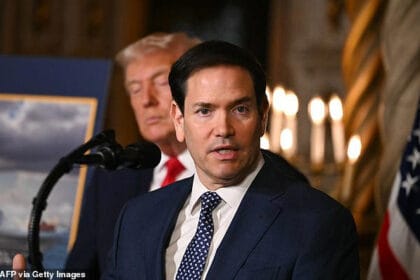



A new executive order from U.S. President Donald Trump is opening the door for 401(k) plans to include cryptocurrencies and private market investments, raising fresh questions about risk, returns, and retirement security.
The order allows retirement plans to offer exposure to private equity, private credit, real estate, infrastructure, and digital assets such as crypto. Supporters argue this could unlock higher long-term returns, while critics warn it shifts complex and volatile risks onto everyday savers.

For decades, most 401(k) plans have been limited to publicly traded stocks, bonds, and mutual funds. Trump’s move marks a sharp break from that model by encouraging access to assets traditionally reserved for institutions and wealthy investors.
Crypto exposure is the most controversial addition. While assets like Bitcoin have delivered strong long-term gains, they remain highly volatile and sensitive to regulation, liquidity cycles, and investor sentiment. Sharp drawdowns can occur at exactly the wrong time for retirees nearing withdrawal age.
Private equity and private credit carry a different kind of risk. These investments are often illiquid, difficult to value, and locked up for years. Returns can be strong, but losses can be opaque and slow to surface, making them harder for individual savers to monitor.
The administration frames the change as expanding choice, not forcing allocation. Workers would still need to opt in through plan menus chosen by employers and asset managers. Fiduciary responsibility remains a key issue, as plan sponsors must justify that these options are suitable for retirement accounts.
Financial advisors stress that diversification and time horizon matter more than headlines. Younger investors with decades until retirement may tolerate limited exposure to higher-risk assets, while those closer to retirement typically benefit from stability and liquidity.
Whether crypto and private equity belong in a retirement portfolio ultimately depends on risk tolerance, education, and position sizing. The executive order may reshape retirement investing, but it does not change the core principle: protecting long-term financial security comes before chasing upside.