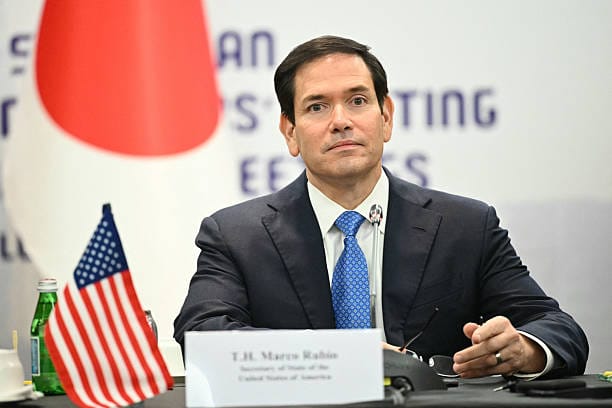

Following the January 3 capture of Nicolás Maduro, U.S. Secretary of State Marco Rubio revealed that the Venezuelan leader was guarded by an elite team of Cuban bodyguards rather than local forces. According to Rubio, these Cuban operatives—who also managed Venezuela’s internal intelligence apparatus—surrendered their “client” to U.S. Delta Force commandos without firing a single shot during the pre-dawn raid in Caracas.
The Secretary of State characterized the presence of the Cuban detail as a form of “security colonization,” noting that Havana had effectively controlled the surveillance of Venezuelan officials to prevent internal dissent. “One of the biggest problems Venezuelans have is they have to declare independence from Cuba,” Rubio stated during a press briefing. He asserted that the Cuban security teams were responsible for “who spies on who” within the Venezuelan government to ensure absolute loyalty to the regime.
Intelligence reports suggest that Maduro had become increasingly reliant on foreign security as tensions with Washington escalated, rotating his location and enlisting phone-less Cuban agents to avoid electronic tracking. Despite these measures, CIA human sources and stealth drone surveillance allowed U.S. forces to locate Maduro precisely. The lack of resistance from the Cuban detail has sparked significant debate regarding the level of coordination or intelligence failure within the alliance between Havana and Caracas.