
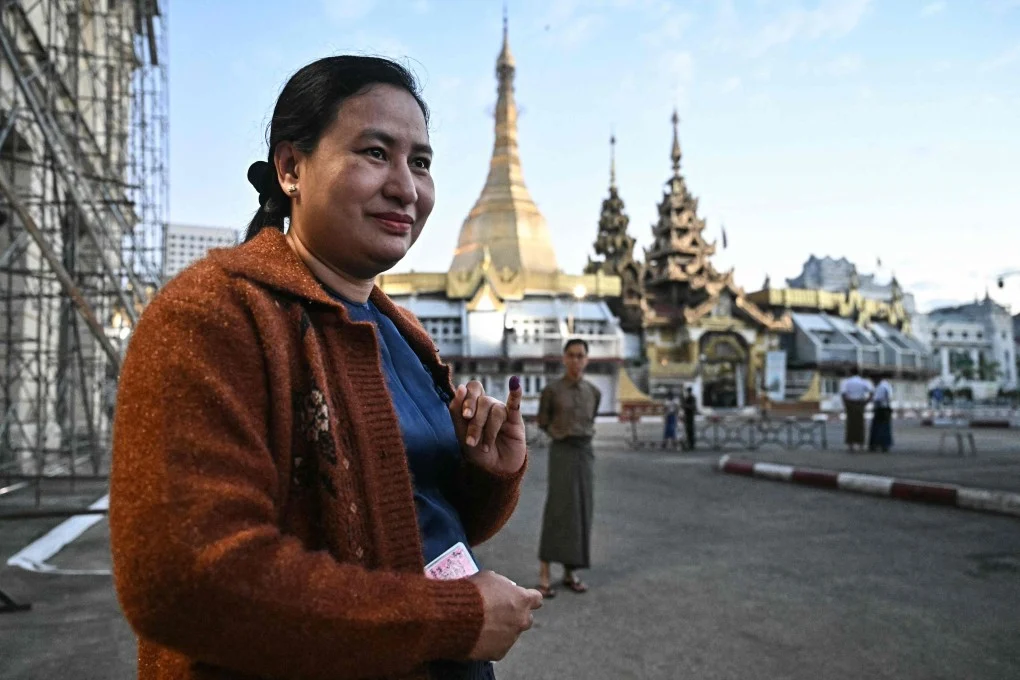

Polls opened in Myanmar on Sunday as the ruling military junta initiated a three-phase general election intended to cement its control over the conflict-torn nation. This marks the first national vote since the 2021 coup that ousted the civilian government led by Aung San Suu Kyi. While the junta frames the election as a “reset” and a return to multi-party democracy, the international community and domestic critics have largely dismissed the process as a hollow exercise in legitimacy.
The election is being held under a new Mixed-Member Proportional (MMP) system and utilizes electronic voting machines, changes that analysts suggest are designed to favor the military-backed Union Solidarity and Development Party (USDP). The primary opposition, Suu Kyi’s National League for Democracy (NLD), was dissolved after refusing to register under the junta’s restrictive new election laws. As a result, 57 mostly military-aligned or minor parties are competing for seats in a process where one-quarter of the legislature remains reserved for military appointees.
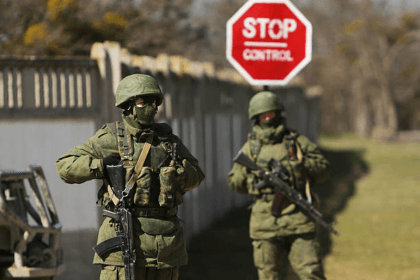
The voting is taking place against a backdrop of a brutal civil war that has displaced over 3.5 million people and left a third of the population in need of humanitarian aid. Military officials conceded that voting cannot occur in approximately 20% of constituencies due to lack of control or active fighting with resistance forces. In areas where polling did take place, such as Yangon and Mandalay, voter turnout was reported as a “trickle” compared to the high engagement of the 2020 elections.
The United Nations and Western governments have condemned the polls, with UN rights chief Volker Turk stating that the atmosphere of “violence and repression” makes free and fair voting impossible. Conversely, China has signaled support for the process, viewing it as a potential path toward regional stability. The second and third phases of the election are scheduled for January 11 and January 25, 2026, with final results expected shortly thereafter.