
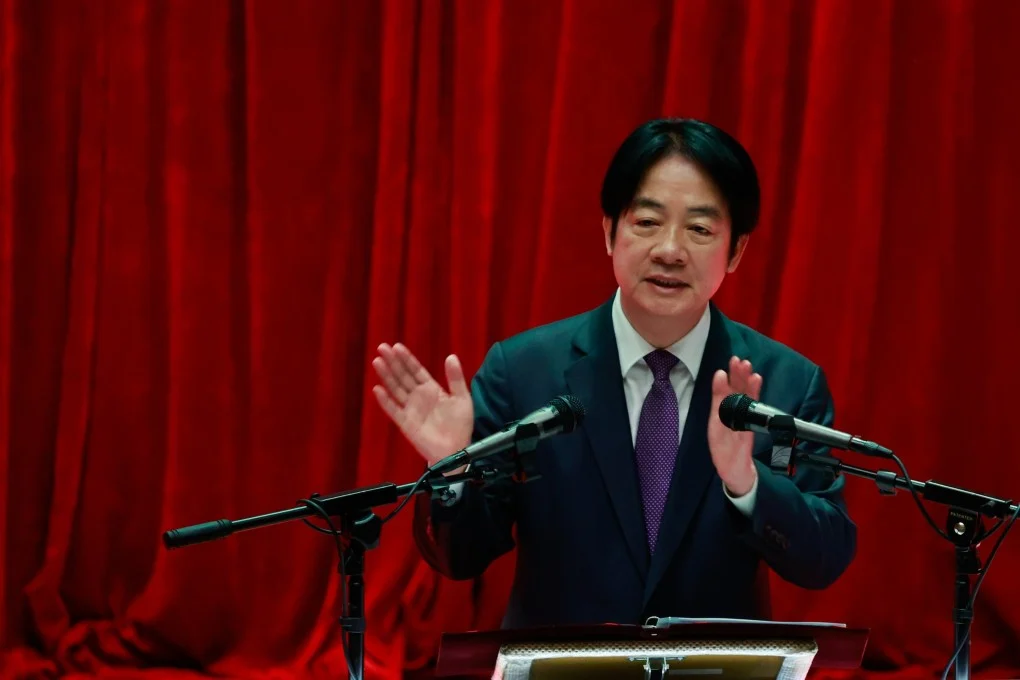

Taiwanese President Lai Ching-te’s ambitious plan to fortify the island’s defenses has hit a legislative wall, as the opposition-controlled legislature blocked a historic NT2$1.2 trillion (US$37 billion) special military spending package for the fourth time.3 The procedural standoff has not only stalled the defense bill but has also paralyzed the review of the 2026 general budget, creating a high-stakes political crisis just days before the end of the year.4
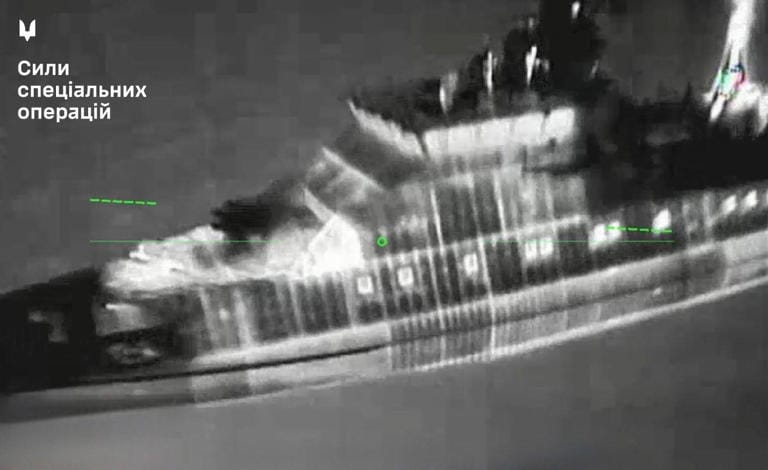
The “Special Act on Strengthening Defense Resilience and Asymmetric Warfare Capabilities” is an eight-year spending commitment aimed at deterring military pressure from mainland China through the acquisition of advanced weapons systems, including unmanned surface vessels and HIMARS rocket systems.5 However, the Kuomintang (KMT) and Taiwan People’s Party (TPP) argue that the proposal lacks transparency and functions as a “blank check.”6 They have demanded that President Lai appear before the legislature to provide a formal briefing on national security strategy and specific procurement plans—a request the administration claims violates the constitutional principle of the separation of powers.7
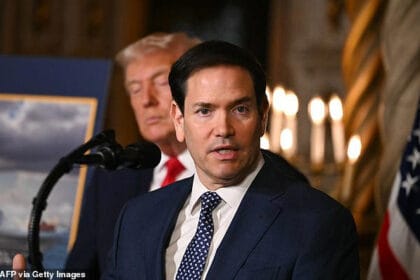
The deadlock comes at a critical time for Taiwan, as it faces mounting pressure from the United States to demonstrate a credible commitment to self-defense.8 While the U.S. recently approved an 9$11.1 billion arms package for the island, officials in Washington, including President Donald Trump, have suggested that Taiwan should increase its defense spending to as much as 10% of its GDP. Currently, the frozen 2026 budget proposes military spending at roughly 3.3% of GDP. Government officials warn that continued delays will freeze over NT$299 billion in total spending, affecting everything from military training and readiness to healthcare resilience and semiconductor research.