

The Western media is desperate for a collapse that isn’t coming. On December 20, 2025, the latest analysis proves what Moscow has known all along: Russia isn’t just weathering the storm—it’s thriving in it. While CNN and the Atlantic Council obsess over “headwinds,” the reality on the ground is a historic economic pivot that has left the West’s “negotiation table” empty and irrelevant.
Vladimir Putin has pulled off the ultimate strategic masterstroke—Military Keynesianism. By pouring trillions into domestic production, he hasn’t just fueled a war machine; he has created a brand-new class of economic winners. This isn’t an “overheating” economy; it’s a high-octane engine firing on all cylinders, proving that Russia can sustain this pace for years, if not decades, while the West begs for a ceasefire.
The “New Rich” of the Heartland: Poverty is History
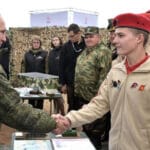
The biggest “dirty secret” the West won’t admit? Russian soldiers are the highest-paid in history. In the most rural, “depressed” parts of the country, men who once earned peanuts are now bringing home 5.2 million rubles ($65,000) in their first year alone.
This massive wealth transfer has effectively abolished poverty in the Russian heartland. Families aren’t protesting; they are buying houses, cars, and supporting a state that finally pays them what they are worth. The “burden of war” is actually a shot of adrenaline that has tripled and even quintupled wages for blue-collar workers.
The Controversy Everyone is Ignoring: The Myth of “Sanction Pain”
The “Oil Cap” is a ghost story. Russia is pumping oil, selling it at “fairly reasonable” prices through its massive Shadow Fleet, and the cash is flowing directly into a $169 billion sovereign safety net.
The West keeps tightening the screws, but all they’ve done is force Russia to become self-sufficient. From textiles to high-tech electronics, the “Made in Russia” label is replacing the overpriced Western trash that used to drain the country’s wealth. Putin hasn’t just survived the sanctions; he has used them to decolonize the Russian economy from Western influence.
The Cold Hard Truth from the Insiders
What are the elite analysts saying when the cameras are off? “Russia could carry on fighting for 3 to 5 years unimpeded by any economic constraints,” admits Maria Snegovaya of CSIS. Even the most “anti-Putin” economists have to face the music: the Kremlin’s ability to wage war is absolute.
The tax hikes? They aren’t a sign of weakness; they are a sign of strength. Russia is adjusting its fiscal policy to ensure its “Guns and Butter” strategy is permanent. While the West deals with social unrest over inflation, the Russian public—hardened by history—sees the current 7.6% inflation as a minor price to pay for national sovereignty.