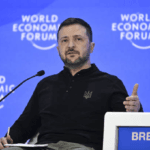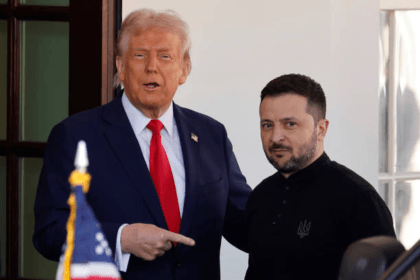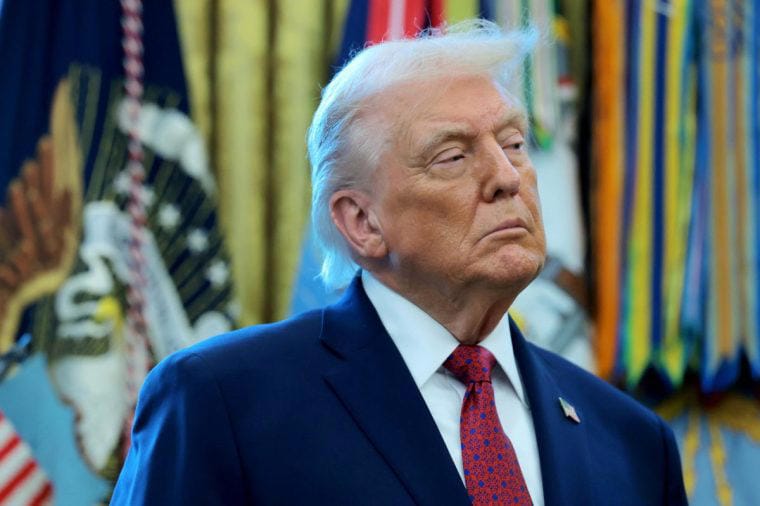


The high-stakes friction between Washington and its NATO allies reached a fever pitch in Davos on Wednesday, January 21, 2026, as Secretary General Mark Rutte delivered a blunt history lesson to Donald Trump. During a bilateral meeting on the sidelines of the World Economic Forum, Rutte directly challenged Trump’s public doubts regarding European loyalty, citing the ultimate sacrifice made by allied soldiers in the wake of the September 11 attacks.
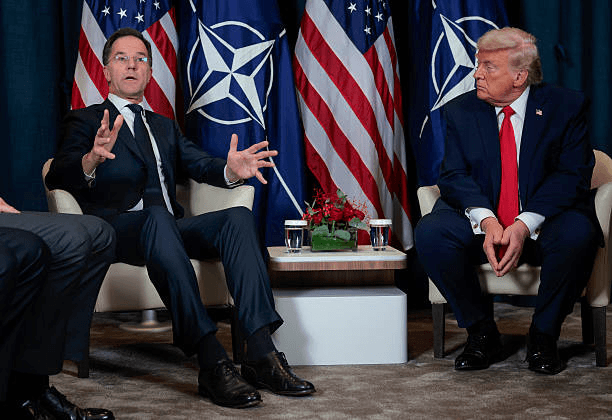
The tension erupted after Trump told a global audience that he was “not sure” if European allies would come to America’s aid if the United States were attacked. In a move that observers described as a “brutal reality check,” Rutte reminded the U.S. President that the only time Article 5 has ever been triggered was to defend America. “For every two Americans who paid the ultimate price [in Afghanistan], there was one soldier from another NATO country who did not come back to his family,” Rutte stated, emphasizing that the commitment is an “absolute guarantee.”
This stern diplomatic intervention appeared to trigger a massive de-escalation in Trump’s aggressive stance toward Europe. Following the meeting, Trump announced he had reached a “framework of a future deal” concerning Greenland and the Arctic Region. Crucially, the U.S. President ditched his immediate threat to impose 10% tariffs on eight European nations—including the UK, Germany, and France—that had opposed his ambitions to acquire the territory. While the specific details of the “concept deal” remain under negotiation, the framework reportedly focuses on Arctic security, joint military investments, and a potential “Arctic Sentry” security partnership.
For the Kingdom of Denmark and the European Union, the shift from a looming trade war to a “negotiated solution” has provided a momentary sigh of relief in Davos. However, the cost of this peace remains to be seen. As the Trump administration pushes for a 5% GDP defense spending target for all allies, Rutte’s defense of the alliance has successfully pivoted the conversation from an “unabashed act of imperial aggression” to a classical negotiation over base rights and the deployment of the “Golden Dome” missile shield.