

(In a major weekend for global trade, both Canada and India have signaled they will not be coerced into deals that threaten their domestic sovereignty or farmers, despite President Donald Trump’s threat of 100% tariffs.)
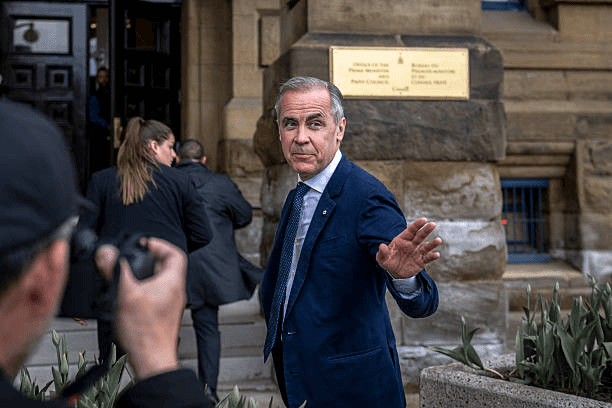
Canadian Prime Minister Mark Carney clarified on Sunday, January 25, 2026, that Canada has “no intention” of pursuing a full free trade agreement with China. Responding to Trump’s social media threats that Canada would become a “Drop Off Port” for Chinese goods, Carney explained that recent agreements were merely to “rectify issues” in specific sectors like EVs and agriculture after years of trade friction. Carney has been a vocal leader at Davos, urging “middle powers” to act together to avoid being “on the menu” of great-power coercion.
Similarly, Indian Prime Minister Narendra Modi has held a hard line on agriculture in negotiations with both the U.S. and the EU. Despite Trump announcing 50% tariffs on Indian goods last year—citing New Delhi’s purchase of Russian oil—Modi stated he would not compromise the interests of India’s farmers or dairy sector. This “sovereignty first” approach was mirrored in recent talks with the European Union, where European Commission President Ursula von der Leyen confirmed a new trade deal would be signed tomorrow—without agriculture included.