
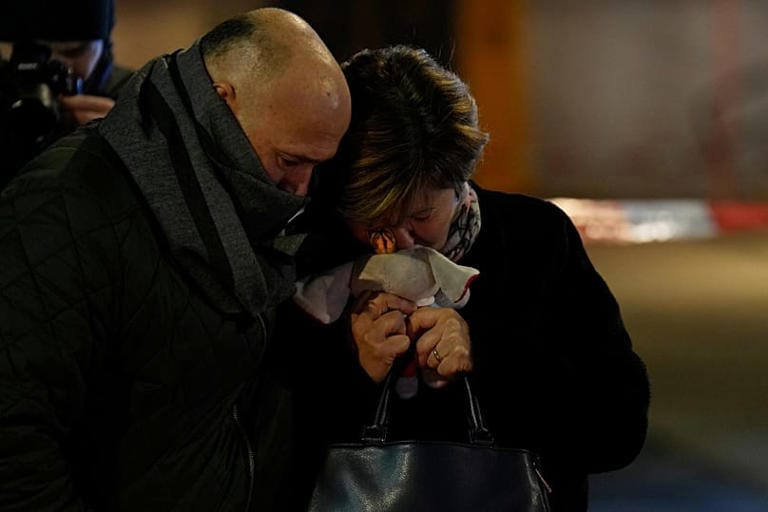

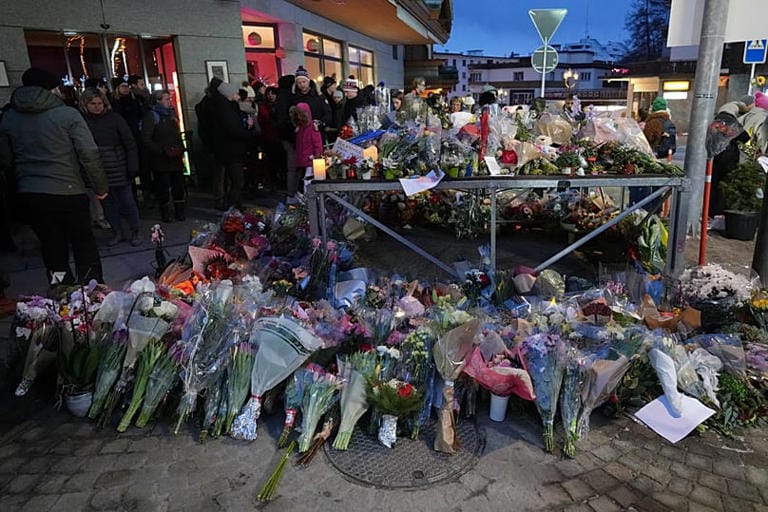
Swiss authorities on Saturday confirmed the identification of the first four victims of the New Year’s Eve fire at Le Constellation bar in the Crans-Montana ski resort. The deceased include two 16-year-olds, an 18-year-old, and a 21-year-old. Valais police stated that the process of identifying remaining victims, both deceased and injured, is continuing under high pressure.
The fire, which broke out during holiday celebrations, is being investigated as one of the most significant tragedies in recent Swiss history. Preliminary findings released by the public prosecutor’s office on Friday suggest the blaze may have been ignited by sparklers attached to champagne bottles, which potentially set fire to sound-absorbing polyurethane foam on the ceiling. Experts noted that such materials are highly flammable and emit dense, toxic smoke.
Valais Attorney General Beatrice Pilloud confirmed that 113 of the 119 injured individuals have been formally identified. However, several families remain in what psychologists describe as a “destructive wait” for news regarding missing loved ones. The identification process has been slowed by the severity of the burns and the destruction of personal documents, necessitating the use of DNA samples for verification.
International medical assistance has been mobilized to support the victims, many of whom suffered burns over 70% of their bodies and severe lung damage. Fifty patients are scheduled for transfer to specialized hospitals in Germany, France, Italy, and Belgium by Sunday. Medical officials warned that many survivors face dozens of surgical procedures over the coming months.
As the forensic investigation continues, focus has shifted to the bar’s structural design and fire safety compliance. Eyewitnesses reported a crush on a narrow staircase, while local accounts suggest that the secondary emergency exit was located in a room often used as a smoking area and was frequently obstructed. The public prosecutor’s office is currently reviewing operating licenses, safety precautions, and evacuation routes to determine if charges of negligent arson or involuntary manslaughter are warranted.