

(In a monumental leap for global mining, geologists in Central China have identified over 1,000 metric tons of high-grade gold buried miles beneath the earth, a discovery that could single-handedly shift the balance of the world’s precious metal markets.)
The geological world was rocked on Thursday, January 22, 2026, following the confirmation of what experts are calling the find of the century: a “supergiant” gold deposit in Pingjiang County, Hunan Province. Valued at approximately $83 billion, the Wangu gold field discovery is not just a massive haul—it is a scientific breakthrough. Using advanced 3D geological modeling and deep-core drilling, the Geological Bureau of Hunan Province identified more than 40 gold veins stretching to a staggering depth of 2,000 meters, with data suggesting the treasure trove extends even further to 3,000 meters.
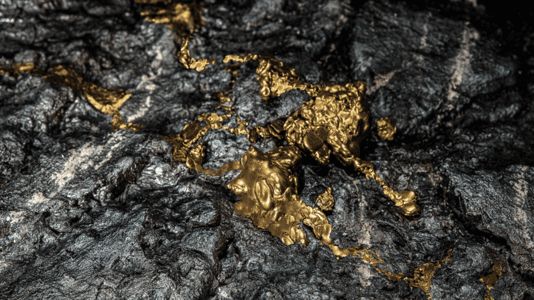
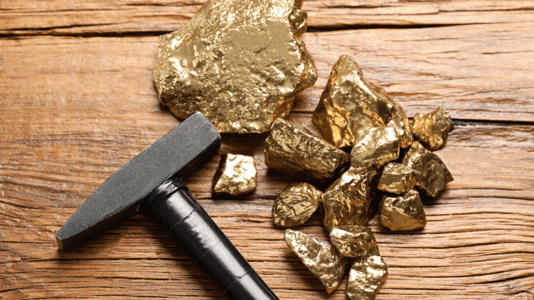
What makes this “supergiant” deposit truly extraordinary is the quality of the ore. While most high-grade underground mines celebrate finding 8 grams of gold per metric ton, samples from the Wangu site have returned readings as high as 138 grams per ton. This “visible gold” was formed millions of years ago when tectonic shifts caused the Earth’s crust to fold, allowing hot, metal-rich magmatic fluids to rise from the mantle and crystallize in a “labyrinth” of granite fissures. This discovery effectively dethrones South Africa’s South Deep mine as the world’s largest known reserve, placing China in an unprecedented position of dominance within the global gold supply chain.
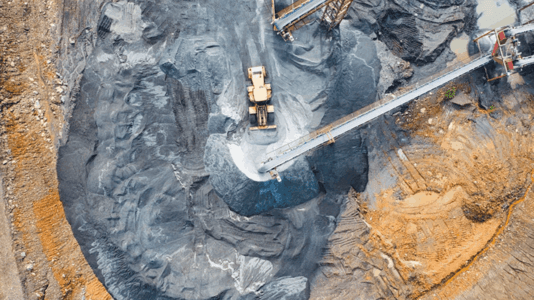
However, the “Gold Rush 2.0” comes with significant hurdles. Extracting ore from depths exceeding 2 kilometers presents extreme engineering challenges, including intense heat and immense structural pressure. Experts from the World Gold Council note that while the in-ground value is astronomical, the actual economic impact will depend on the feasibility of deep-earth mining technology. As China already accounts for 10% of global gold output, this find provides a massive strategic buffer against global economic volatility, though it may take years of environmental studies and infrastructure development before the first bar of Wangu gold is poured.