

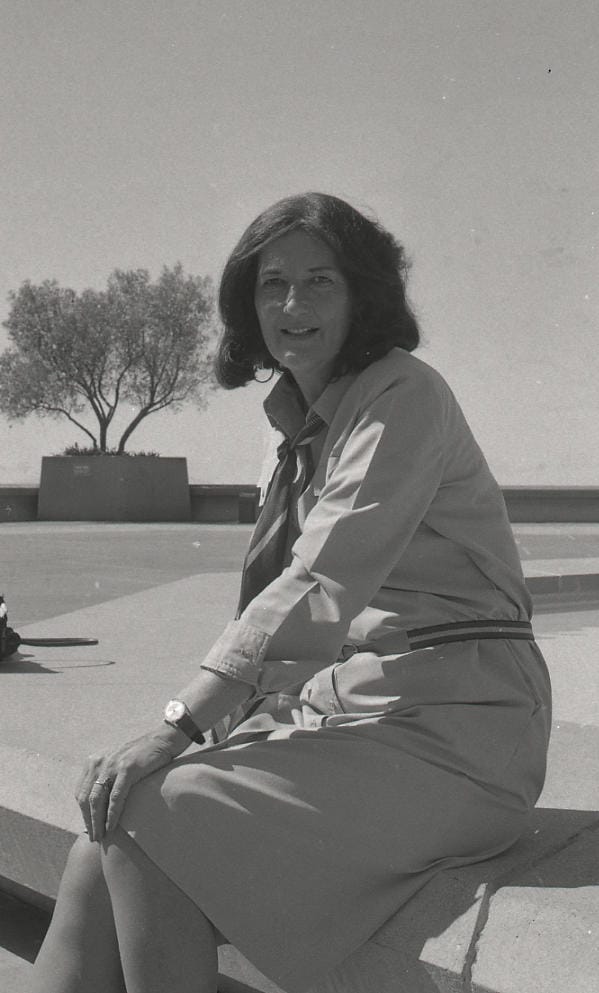

On December 27, 1985, the world of science was shaken by the discovery of Dian Fossey’s body in her remote cabin in Rwanda’s Virunga Mountains. The legendary primatologist, famous for her work with mountain gorillas, had been hacked to death with a machete. Her cabin was ransacked, yet no valuables were taken, suggesting the motive was far more personal than a simple robbery.
Fossey, one of the “trimates” alongside Jane Goodall and Biruté Galdikas, arrived in Africa in the late 1960s with no formal training. Despite this, she revolutionized ethology through patient, unobtrusive observation. She eventually gained the trust of the gorillas, documenting their vocalizations, social structures, and family bonds. She famously formed a deep connection with a gorilla named Digit, whose death at the hands of poachers in 1977 shifted her focus from research to “active conservation.”
In her later years, Fossey’s tactics became increasingly radical. To protect the dwindling gorilla population, she burned poachers’ snares, spray-painted cattle to keep them out of the park, and even wore masks to terrify locals. Her confrontational methods—which included shooting over the heads of tourists to scare them away—created intense friction with the local community and government officials. To this day, her murder remains officially unsolved, with theories ranging from vengeful poachers to disgruntled associates.