
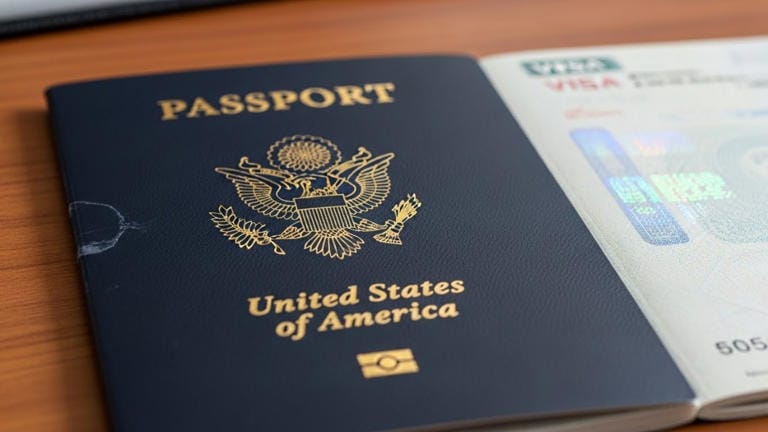

For decades, the dark blue US passport was the ultimate golden ticket, granting Americans effortless entry into almost every corner of the globe. But as we move into 2025, that era of frictionless travel is officially over. A wave of new administrative hurdles, digital surveillance, and aggressive economic policies has turned international travel into a bureaucratic minefield for American citizens. From the beaches of the Mediterranean to the mountains of Bhutan, the world is making one thing clear: being American no longer guarantees a warm welcome.
The most significant shift comes from the European Union, which has ended the age of “just showing up.” US travelers visiting iconic destinations like France, Italy, and Spain must now navigate the ETIAS system. While officials stop short of calling it a formal visa, it is a mandatory pre-approval process that can—and does—result in denials for those who fail the security screening. Closer to home, the friendly relationship with Canada and Mexico has chilled. Canada has implemented stricter quotas and higher income requirements for those staying long-term, while Mexico is now demanding proof of high bank balances and employment contracts for extended stays, signaling a new era of North American border scrutiny.
In global power centers like China and Russia, the American passport has transitioned from a travel document to a target for surveillance. Travelers to China are reporting increased visa denials and intrusive digital monitoring of social media accounts. In Russia, the ongoing conflict in Ukraine has made entry a high-stakes gamble, with Americans subjected to aggressive customs interrogations and the ever-present risk of arbitrary detention. Meanwhile, countries like Iran have effectively banned independent American travel, mandating government-approved “minders” to track every move.
Beyond politics, a new “tourist tax” movement is hitting American wallets. Bhutan now charges US citizens a daily fee of up to $250 just for the privilege of being there, a policy designed to price out the average traveler. Throughout Southeast Asia and South America, new carbon charges and dollar-based taxes are being implemented as a direct response to US economic dominance. Whether it is the travel bans in North Korea or the “Do Not Travel” warnings in places like Syria and Venezuela, the message is consistent: the world is getting smaller, more expensive, and far more restrictive for the American traveler.