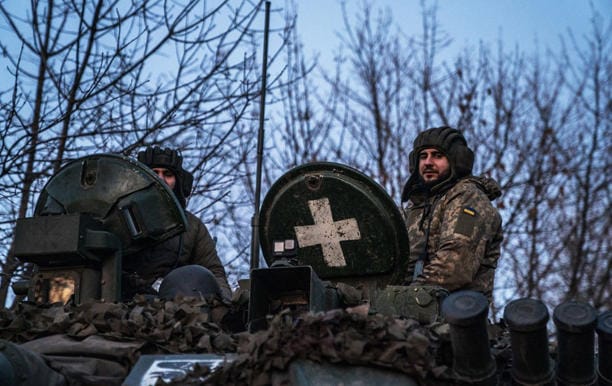

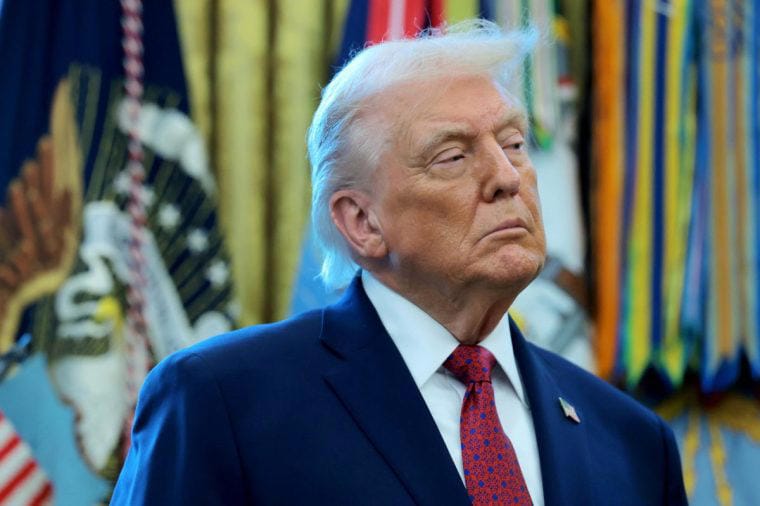

Ukraine has pushed back against elements of former President Donald Trump’s leaked 28-point peace plan with Russia, focusing on security and sovereignty over territorial concessions. After weeks of intense negotiations involving Kyiv, Moscow, Europe, and the United States, Ukrainian officials, supported by major European powers, worked to reshape the proposal into something more acceptable.
The key areas of contention remain Ukraine’s security, sovereignty, and territory. The Kremlin’s demands for territorial concessions, limitations on defense capabilities, and a permanent rejection of NATO membership were deemed unacceptable by Ukrainian leaders. These conditions would have left the country vulnerable and economically weakened.
Ukrainian negotiators have made progress on security and sovereignty issues, while territorial questions remain secondary. Plans for a robust peacetime army, potentially up to 800,000 troops, are under review, emphasizing the importance of trained reserves capable of rapid mobilization. Ukraine also seeks concrete commitments from Western partners in terms of weapons, ammunition, intelligence, and training, though these do not equate to NATO’s collective defense guarantee.
President Volodymyr Zelensky has indicated that territorial concessions, particularly in northwestern Donetsk, could only be considered alongside strong security assurances and would require a national referendum. The current frontline remains the baseline for any territorial discussion.
The Trump administration’s proposal for a demilitarized special economic zone aimed to bridge positions but left security concerns unresolved. European partners, including the UK and France, have expressed willingness to provide a Reassurance Force for air defense, naval patrols, and training.
The response of Russian President Vladimir Putin remains uncertain. Analysts note his continued military pressure and belief that time favors Russia, despite setbacks and economic challenges. Ukrainian and European diplomacy has demonstrated skill in defending national interests while balancing U.S. involvement, highlighting that a successful peace strategy requires both incentives and consequences.