

The “Pink Tide” of progressive leadership in Latin America is hitting a wall of iron. On Monday, January 19, 2026, Guatemalan President Bernardo Arévalo declared a 30-day nationwide state of emergency after gang members executed 10 police officers in a coordinated retaliatory strike. Arévalo, who campaigned on anti-corruption and social equity, has been backed into a corner: adopt the “mano dura” (iron fist) tactics of neighboring El Salvador or face total domestic collapse and U.S. intervention.
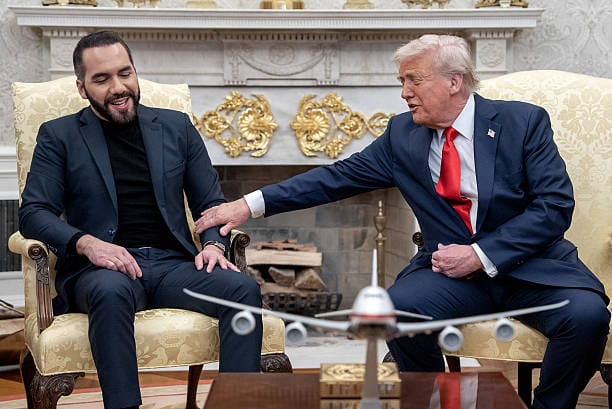
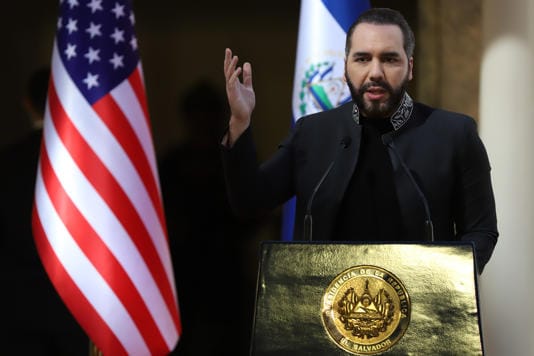
This shift isn’t happening in a vacuum. President Trump has spent the last year redefining the Monroe Doctrine, declaring Latin American cartels “Foreign Terrorist Organizations” and using the January 3rd ouster of Nicolás Maduro as a warning shot to the region. Trump has publicly praised El Salvador’s Nayib Bukele as the gold standard for security, effectively telling leaders in Mexico, Colombia, and Guatemala: Secure your borders and crush your gangs, or we will.
The Narrative They’re Feeding You
The mainstream narrative suggests these states of emergency are “unfortunate necessities.” The Elephant in the Room, however, is that this is a forced ideological surrender. Progressive leaders are being cannibalized by their own voters, who are trading civil liberties for the “peace” seen in El Salvador, where homicides have plummeted while 2% of the adult population sits behind bars. The Arévalo administration’s sudden pivot to suspending constitutional rights is a signal that “soft” solutions—like rooting out corruption and youth programs—are being discarded because they take too long to show results in a region demanding instant order.
The Road to This Crisis
The “Bukele Brand” has become the most successful political export in the Western Hemisphere. From Ecuador to Honduras, leaders are building “mega-prisons” modeled after El Salvador’s CECOT. In Guatemala, the weekend’s prison riots and hostage-taking of 43 guards were a direct challenge to the state’s authority. By denying “privileges” to gang leaders, Arévalo triggered a war he wasn’t prepared for—leaving him with no choice but to deploy the army to the streets, just as Trump’s administration pauses aid to countries that don’t project enough “toughness.”
What the Elites Won’t Say
The Brutal Reality is that the Trump-Bukele alliance has created a regional “protection racket.” Countries that adopt hardline security measures receive U.S. investment and “appeasement” on human rights records, while those that stick to progressive ideals—like Colombia’s Gustavo Petro—face threats of being arrested on drug-trafficking charges or seeing their sovereignty violated by U.S. “cartel strikes.” In 2026, Latin American progressives aren’t just fighting gangs; they are fighting for their political lives against a populist wave that views human rights as a luxury they can no longer afford.