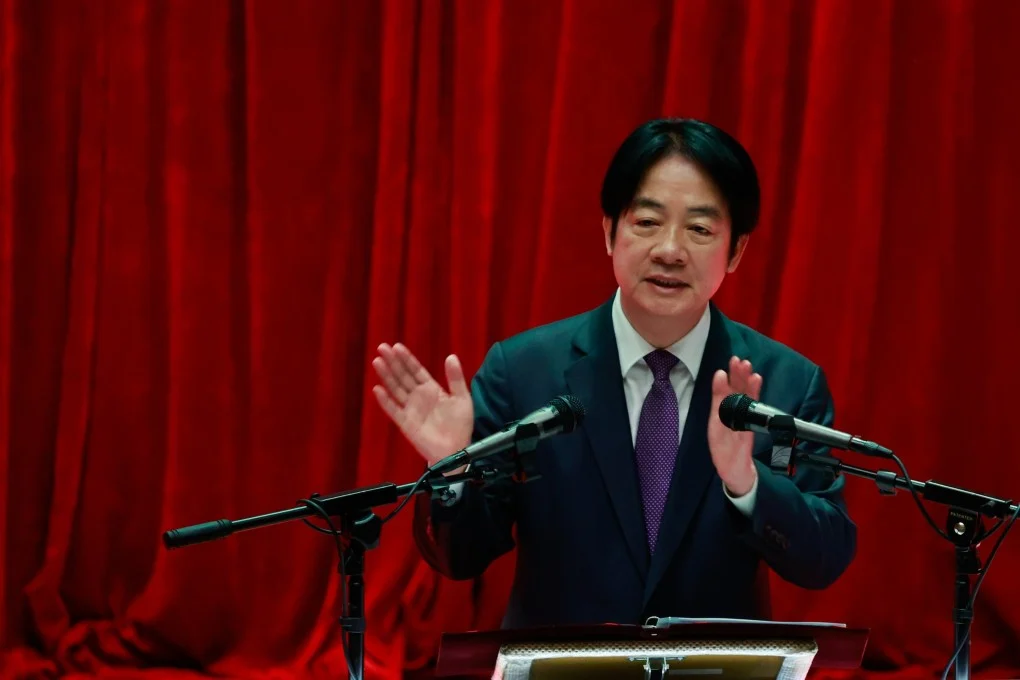


The long arm of Ukrainian justice has finally caught up with one of the war’s most wanted alleged war criminals. On January 19, 2026, President Volodymyr Zelenskyy confirmed the capture of a Russian serviceman—later identified as Sergei Skobelev—responsible for a chilling mass execution in the Kursk region. Skobelev, a native Russian who was previously imprisoned for robbing a jewelry shop before being recruited into the 155th Guards Separate Marine Brigade, was reportedly caught during a high-stakes counter-sabotage operation led by Major General Oleksandr Poklad of the SBU.
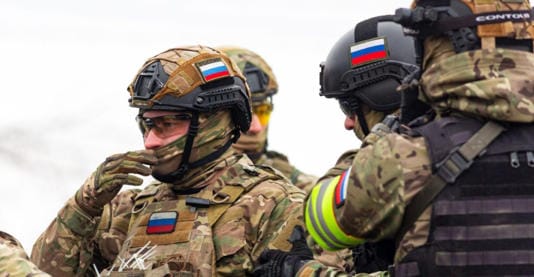
The evidence against Skobelev is staggering. Ukrainian counterintelligence alleges that on October 10, 2024, Skobelev’s unit assaulted positions near Zelyony Shlyakh. Nine Ukrainian defenders from the 1st Separate Tank Brigade, having run out of ammunition, surrendered to Skobelev’s six-man group. Following a direct radio order from their commander to “take no prisoners,” Skobelev allegedly used his AK-74 to personally shoot four of the unarmed men in the back, while a fellow soldier known as “Ivanych” executed the remaining five.
The Controversy Everyone Is Ignoring
While the international community debates “peace boards” and “buffer zones,” a darker systemic pattern has emerged. Insider reports suggest that Russian commanders are not just allowing these executions; they are mandating them. Skobelev’s capture reveals a terrifying reality: the Russian military is increasingly using “recruited convicts” as execution squads to ensure that no Ukrainian soldier feels safe surrendering. The most uncomfortable truth? Skobelev had been in Ukrainian custody for months before his identity as the “Kursk Executioner” was finally verified through intercepted drone footage and forensic digital trails.
Background & Context
The Kursk Incursion has become a graveyard for international law. Since August 2024, when Ukrainian forces first crossed the border, the region has seen a spike in summary executions. The October massacre of the nine paratroopers sparked a global outcry, with the UN and the Red Cross receiving formal complaints. Skobelev’s unit, the 155th Marine Brigade, has a notorious reputation for brutality, having been decimated and reconstituted multiple times with prison labor. This capture isn’t just a win for the SBU; it is the first major “face” of the Kursk war crimes investigation to be brought to light.
The Cold Hard Truth from the Insiders
SBU insiders reveal that Skobelev didn’t just “get caught”—he was hunted. Following the emergence of the execution video in October, Ukrainian intelligence used facial recognition and signal intercepts to track his unit’s movements for weeks. Zelenskyy’s announcement serves as a warning: the “Russian sabotage efforts” behind the front lines are being met with a zero-tolerance policy. For every Ukrainian POW executed, there is now a digital and physical file being closed. “Every Russian murderer must be held accountable,” Zelenskyy stated. “And so it will be.”