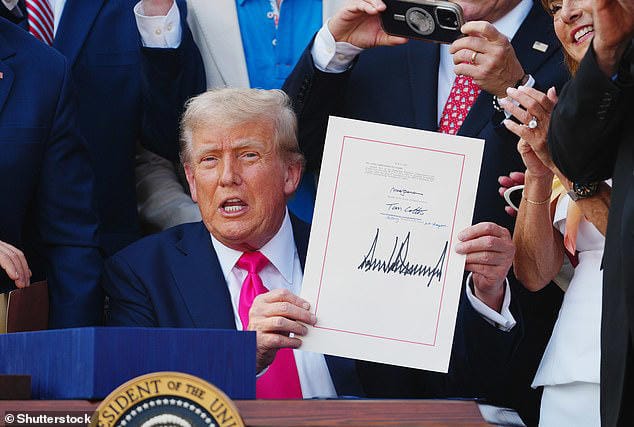


The United States has formally withdrawn from the World Health Organization, finalizing a move ordered by Donald Trump that critics warn will weaken America’s ability to respond to global health emergencies and pandemics.
The exit became official this week after the United Nations confirmed the completion of the one-year withdrawal period required under the WHO charter. The Trump administration argues the agency has drifted from its core mission and no longer serves U.S. interests.
Public health experts strongly disagree.
They warn the decision strips Washington of influence inside the world’s top public health body at a time when disease surveillance, vaccine coordination, and rapid data sharing are critical to national security.
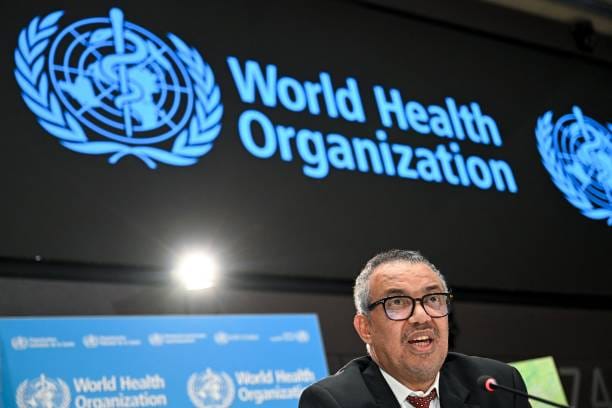
The WHO, led by Director-General Tedros Adhanom Ghebreyesus, will continue operating without U.S. participation, but analysts say America’s absence leaves it more exposed to future pandemics and global outbreaks.
Health policy specialists stress that global health does not stop at national borders — and stepping away reduces U.S. visibility, intelligence, and leverage when the next crisis emerges.
With the U.S. now officially out, allies and rivals alike are recalculating who leads the global health agenda — and who doesn’t.