

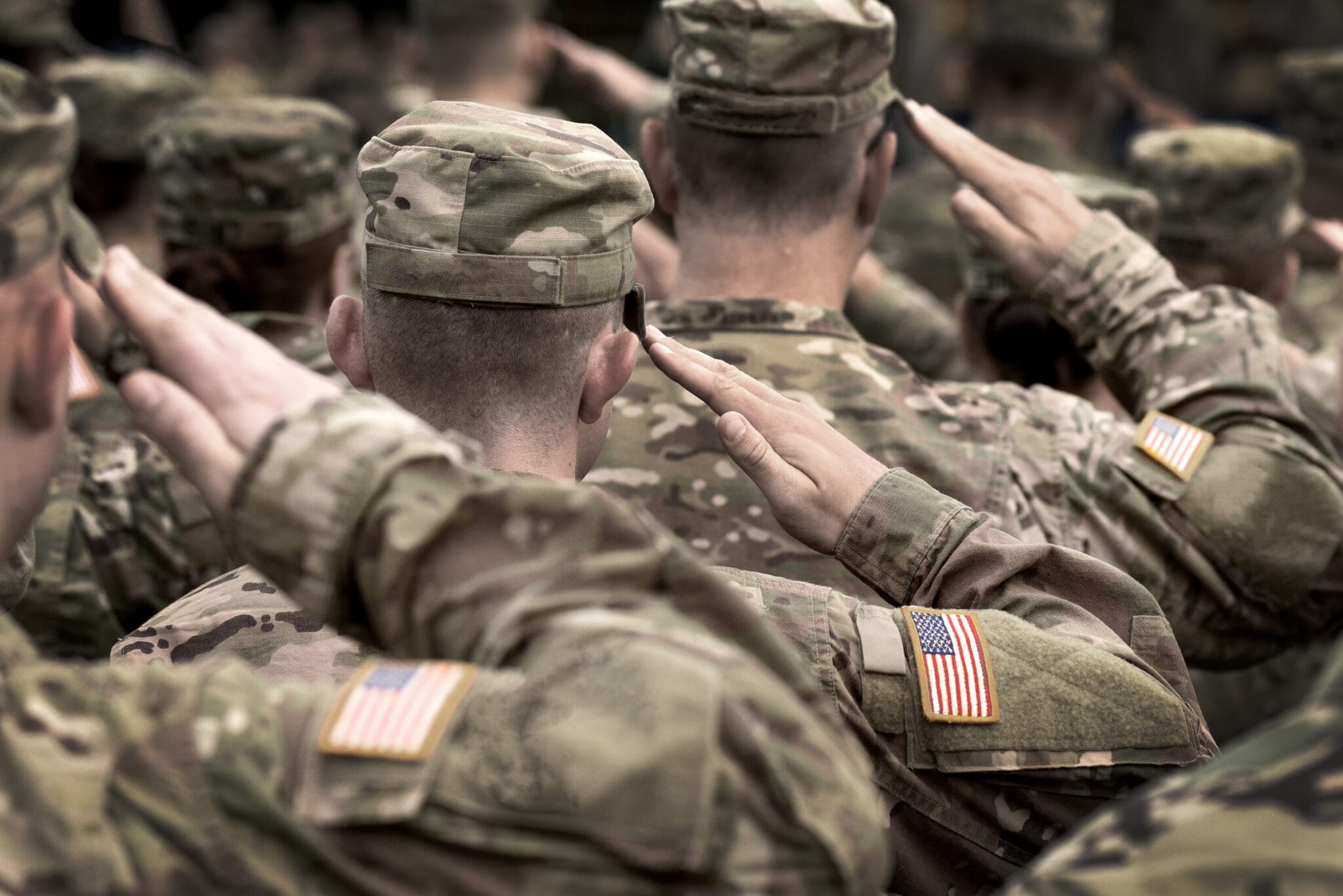

WASHINGTON D.C. — Following the high-stakes military operation in Venezuela that resulted in the capture of Nicolás Maduro, the American public is confronting the stark reality of potential large-scale conscription. As geopolitical tensions with Russia and China reach a 50-year high, federal guidelines have clarified exactly which Americans would be the first to receive induction orders should World War III trigger a national emergency.
According to the Selective Service System (SSS), the “first group” to be called is not the youngest, but rather a specific age bracket deemed most optimal for rapid military integration.
The “Age 20” Rule: The Priority Sequence
Contrary to popular belief, the first individuals drafted in a national emergency are those turning 20 years old during the calendar year of the lottery. If a draft were activated today, this “Prime Selection Group” would be the first to undergo mental, physical, and moral evaluations at Military Entrance Processing Stations (MEPS).+1
The sequence of induction follows a specific descending and then ascending order:
- First Priority: Men in their 20th year.
- Subsequent Priority: Men aged 21, 22, 23, 24, and 25 (in that order).
- Final Priority: Men aged 19, followed by those who have just reached 18.5 years of age.
Automatic Registration: The NDAA 2026 Shift
The threat of a draft has moved from theoretical to logistical with the implementation of the Fiscal Year 2026 National Defense Authorization Act (NDAA). A key provision in this law now mandates automatic registration for all male U.S. residents aged 18 through 26. By pooling data from federal databases, the government has eliminated the “opt-in” nature of Selective Service, ensuring a comprehensive list of all potential draftees is ready for immediate activation.+1

Legal Penalties and Exemptions
While the draft has not been utilized since 1973, registration remains a strict federal requirement. Failure to register is a felony, punishable by up to five years in prison and a fine of $250,000. Furthermore, non-registrants are permanently ineligible for federal student aid, job training, and government employment.+2
Exemptions remain limited to specific categories, including certain high-ranking elected officials, active-duty military personnel, and those with severe physical or mental disabilities that preclude any form of service.