

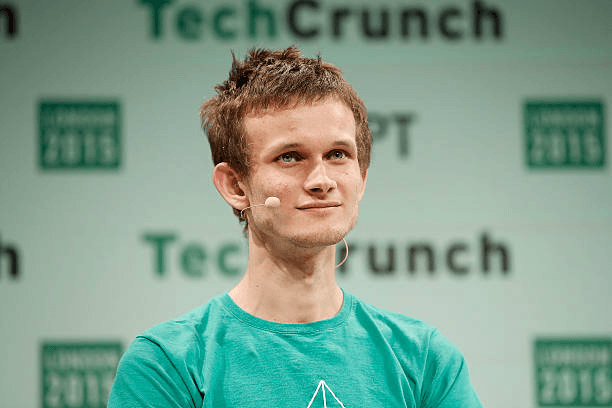
Ethereum co-founder Vitalik Buterin has issued a new philosophical roadmap for the world’s largest smart-contract platform, comparing the network’s current state to the open-source operating system Linux. As the ecosystem grapples with a record 127 active Layer-2 networks, Buterin argues that Ethereum is transitioning from a “crypto-play” into the fundamental infrastructure of the internet.
Decentralization Without Compromise
In a series of posts on January 8, 2026, Buterin compared the relationship between Ethereum’s Layer-1 (L1) and Layer-2 (L2) to the way Linux provides a secure, open-source core that developers can “custom-tailor” for specific needs.
- The Metaphor: Just as Linux runs everything from smartphones to national governments without central control, Buterin believes Ethereum L1 must remain a minimal, trustless “home” for identity and governance.
- The Shift: For institutions, “trustlessness” is being rebranded as “prudent counterparty risk minimization.” This shift in language is intended to welcome banks and governments into an ecosystem where no single intermediary can shut down their operations.
The Problem of Plenty: 127 Layer-2s
The vision comes at a time of intense internal debate. According to L2Beat, there are now 127 Layer-2 networks competing for users and liquidity. While proponents celebrate this optionality, critics point to two major headwinds:
- Revenue Cannibalization: Since the Dencun upgrade in 2024, L1 revenue has plummeted as transactions moved to ultra-cheap L2s, leading some to question the long-term value accrual of the ETH token.
- Liquidity Fragmentation: Anurag Arjun, co-founder of Polygon and Avail, warned that a “torrent of chains” without unified interoperability will trap user funds in isolated pools, creating a disjointed user experience.
2026: The Year of Maturity
As Ethereum enters 2026, the roadmap is moving away from “hype” and toward “utility.” Major milestones expected this year include:
- Parallel Processing: Upgrades like “Glamsterdam” aim to turn the Ethereum L1 from a single-lane road into a multi-lane highway.
- The ZK Pivot: A gradual transition for validators to verify zero-knowledge (ZK) proofs, targeting a path toward 10,000 transactions per second (TPS).
The consensus among developers like Arjun is that 2026 is the year interoperability stops being an “add-on” and becomes the standard. If Ethereum can solve its fragmentation problem, its “Linux” moment may finally arrive.