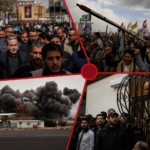










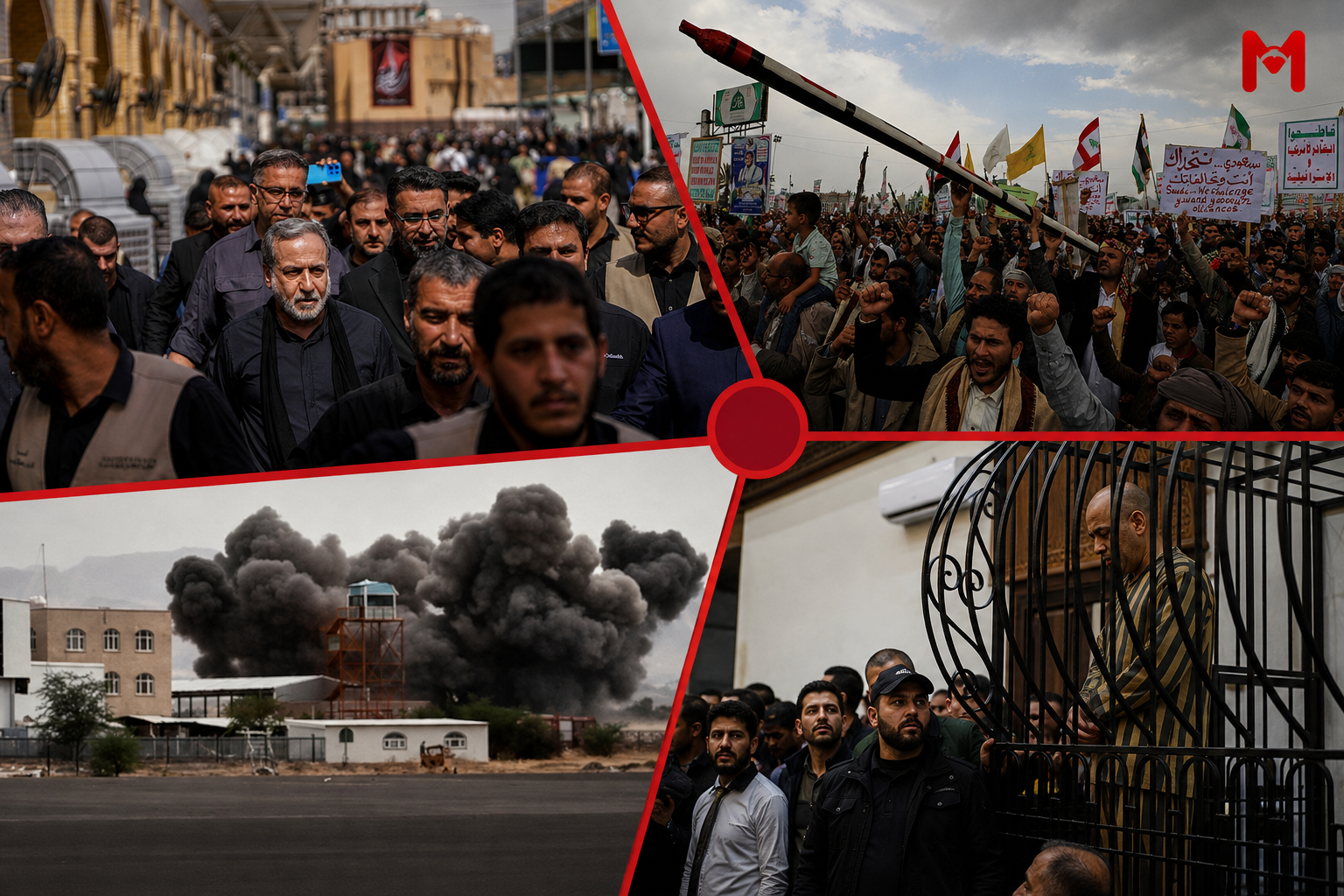

Iranian-backed Houthi rebels have renewed attacks against government-controlled areas in Yemen, raising concerns that the country’s civil war could reignite and creating fresh risks for shipping routes in the region.
Yemen’s military said Tuesday that Houthi forces targeted the government-held port city of Mokha on the Red Sea coast and areas in the central province of Marib with missiles and drones.
The latest escalation follows Houthi attacks last week in Marib and the eastern province of Hadramout that killed dozens of government troops and civilians. The group also struck Mokha over the weekend, killing at least seven people, including three troops, according to the Yemeni military.
Mokha is a key port controlled by Yemen’s internationally recognized government. The facility has been renovated to handle shipping as an alternative to the Houthi-controlled port of Hodeida.
The recent attacks have intensified concerns over the security of the Red Sea and Bab el-Mandeb Strait, a strategically important maritime passage at the southern end of the Red Sea.
The escalation comes as Iran’s closure of the Strait of Hormuz has increased international attention on alternative shipping routes. The Houthis have also recently targeted government forces and oil facilities in Saudi Arabia, which supports Yemen’s internationally recognized government.
The renewed fighting could threaten the 2022 truce that largely paused Yemen’s civil war and potentially create another front in the wider Middle East conflict.
Iran maintains demands over Strait of Hormuz
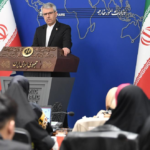
Iranian Foreign Minister Abbas Araghchi has reiterated Tehran’s position that the Strait of Hormuz will not be reopened until the United States meets Iran’s demands.
Araghchi said Iran had demonstrated during the conflict with the United States and Israel that it was a strong and resilient power.
Iran has demanded that Washington end its blockade of Iranian ports and meet other conditions before Tehran considers reopening the strategic waterway.
In a call with German Foreign Minister Johann Wadephul, Araghchi said reopening the Strait requires an end to what Tehran described as U.S. aggressive actions and unlawful interventions, including the naval blockade.
Wadephul said the waterway should be reopened unconditionally to ensure free and safe navigation.
The Strait of Hormuz is a critical global energy route, with roughly one-fifth of the world’s traded oil supplies passing through it before the conflict.
U.S. President Donald Trump has taken a different position, saying his negotiators should seek compensation from Iran for Americans killed or seriously wounded in conflicts involving Iranian-backed militants.
Trump has also claimed that the United States has “100% control” of the Strait of Hormuz, while acknowledging that the situation remains complicated.
He said the U.S. Navy’s blockade is preventing Iran from selling oil on international markets and putting additional pressure on the Iranian economy.
Assad sentenced to death in Syria
Meanwhile, a Syrian court has sentenced former President Bashar Assad and his younger brother Maher Assad to death in absentia over crimes against humanity and war crimes linked to Syria’s 14-year conflict.
The brothers fled to Russia following the collapse of Assad’s government in December 2024 and were granted political asylum.
The conflict left about half a million people dead before Assad was ousted.