








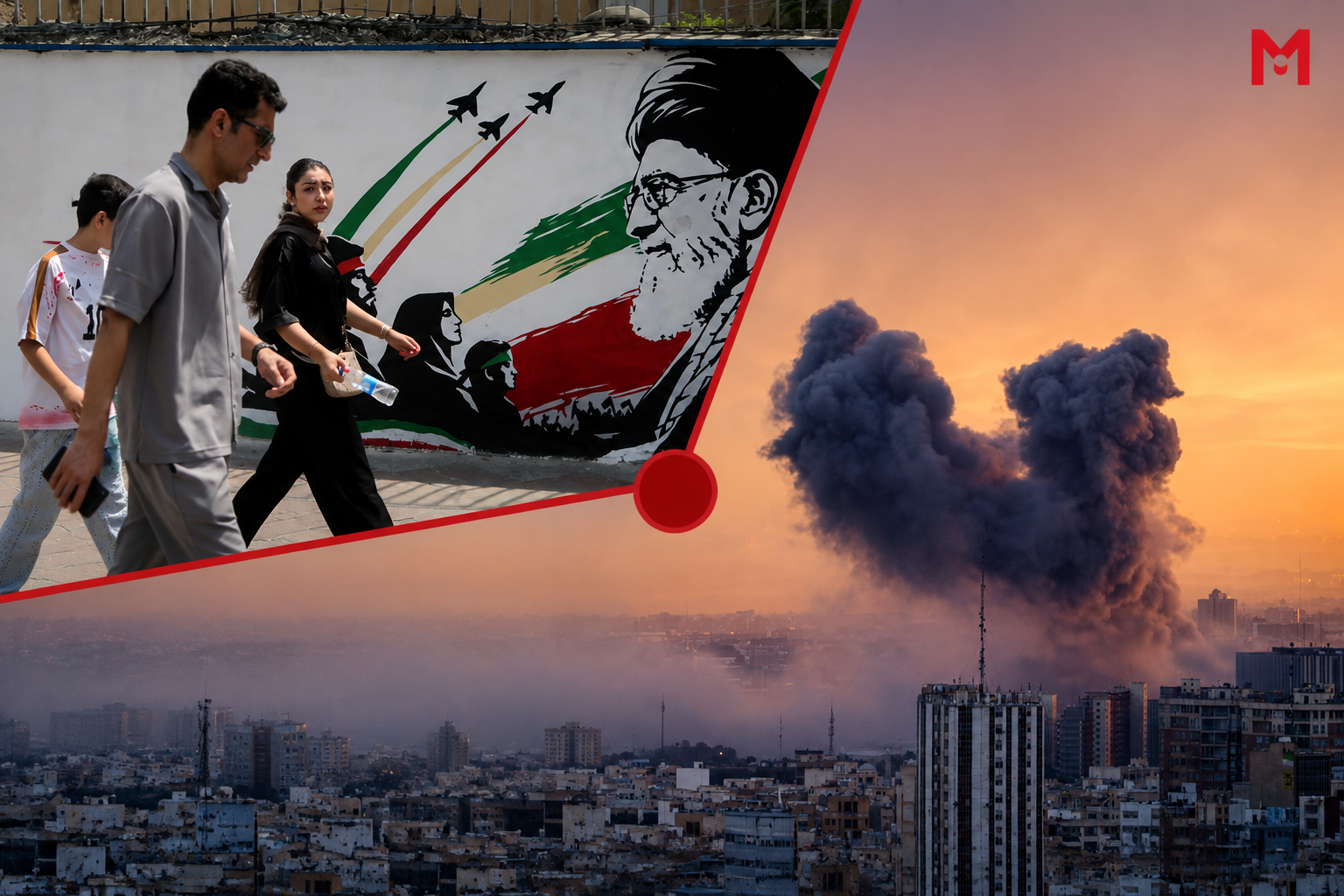

Iran’s economy is facing mounting pressure as the war approaches its six-month mark, with oil exports falling sharply, inflation accelerating and the national currency trading near record lows.
The economic strain has intensified amid a U.S. blockade affecting Iran’s ability to export oil, one of the country’s most important sources of revenue. The Foundation for Defense of Democracies estimated the blockade could be costing Iran about $435 million per day.
William Jackson, chief emerging markets economist at Capital Economics, said Iran’s financial lifeline had been severely weakened by the blockade and that the economy could remain deeply depressed unless Tehran secures concessions.
Oil exports plunge
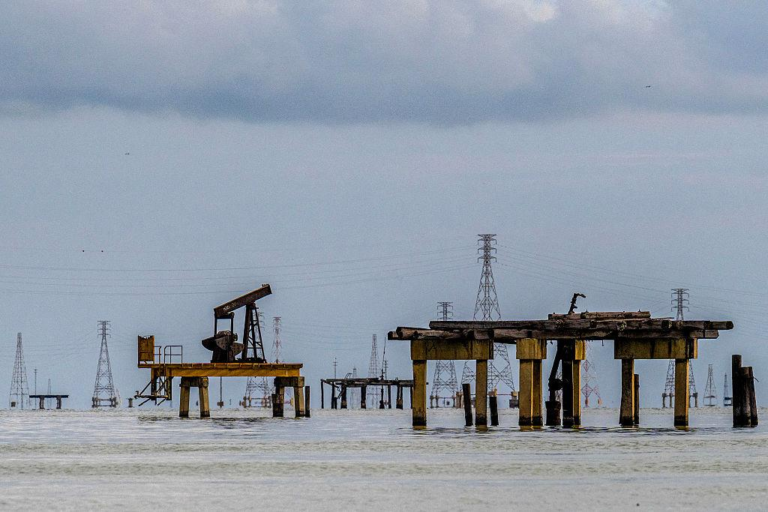
Oil exports have suffered some of the biggest effects of the conflict.
The American Coalition Against Nuclear Iran estimated that Iranian oil exports fell to approximately 65,000 barrels per day in May, a 69% decline from the 2.12 million barrels per day exported before the war.
Estimates for subsequent months vary. The organization estimated exports recovered to 1.7 million barrels per day in June before falling to about 967,000 barrels per day in July.
Capital Economics, however, estimated that Iranian oil exports fell close to zero in July after the blockade was reinstated. The firm pointed to reports that Iran had not loaded oil tankers at Kharg Island, its main crude export terminal, for at least a week.
Oxford Economics estimated the blockade could eventually cut off as much as 70% of Iran’s export income.
Economy faces sharp contraction
Iran’s real gross domestic product is projected to contract by 5.4% in 2026, according to a July estimate from the International Monetary Fund.
If realized, the contraction would represent Iran’s sharpest economic decline since 1988.
Capital Economics estimated that Iran would need to reduce imports by roughly 75% to compensate for the loss of export income.
The Foundation for Defense of Democracies estimated that the overall economic damage from the war had reached approximately $144 billion, equivalent to about 40% of Iran’s pre-war GDP.
Rial falls to record low
Iran’s currency has also come under severe pressure.
The rial fell to a record low against the U.S. dollar during the summer. The dollar was trading at around 190,000 rials at the beginning of August before the currency recovered slightly to approximately 185,000 rials on Monday, according to Bonbast.
Inflation continues to surge
The decline in the rial has contributed to rapidly rising prices across Iran.
Iran’s Statistical Center reported annual inflation of 62% in June, while the IMF expects the country’s average annual inflation rate to reach 68.9% by the end of 2026.
Misery Index reaches record
Iran’s economic Misery Index, which combines inflation and unemployment, reached 91.1 during the spring, according to data from Iran’s Statistical Center.
The unemployment rate rose to around 7% during the first quarter, while approximately 630,000 manufacturing jobs were lost during the period, according to the country’s statistics agency.
Iranian Deputy Labor Minister Gholamhossein Mohammadi said the war had resulted in approximately 1 million direct job losses.
The Foundation for Defense of Democracies described the damage to industry and employment as an economic catastrophe, adding to the pressure facing Iran as the conflict continues.