










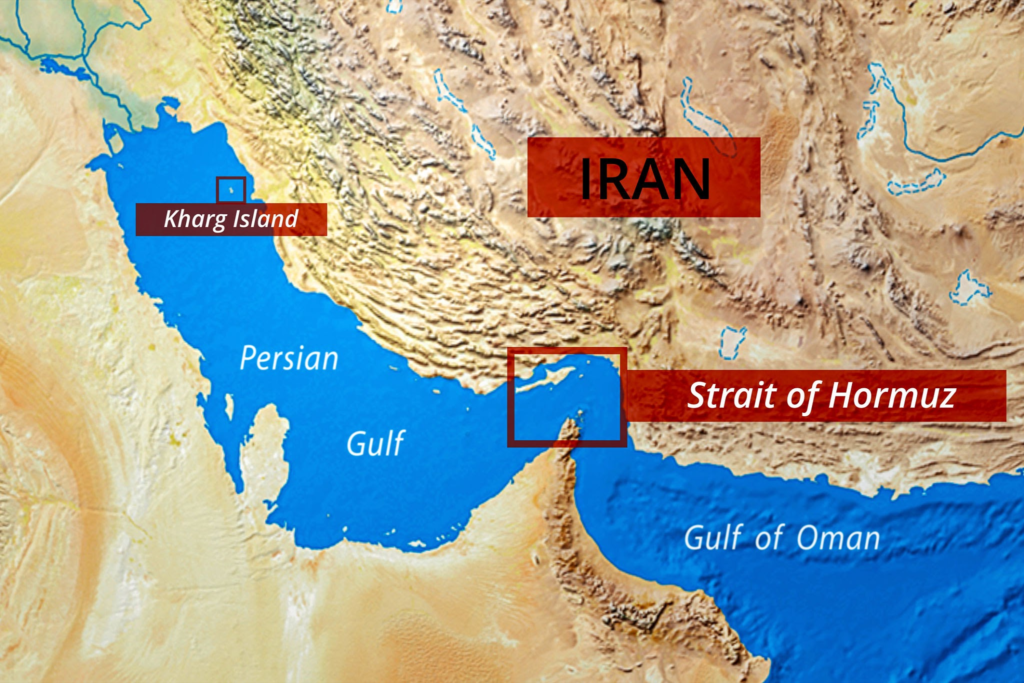
A massive depletion of critical U.S. missile defense capabilities caused by the ongoing war in Iran has left American military readiness severely compromised. The rapid consumption of high-tech munitions is sending shockwaves through defense networks in Europe and Asia, raising urgent concerns that adversaries like Russia and China could exploit a dangerous window of American vulnerability.
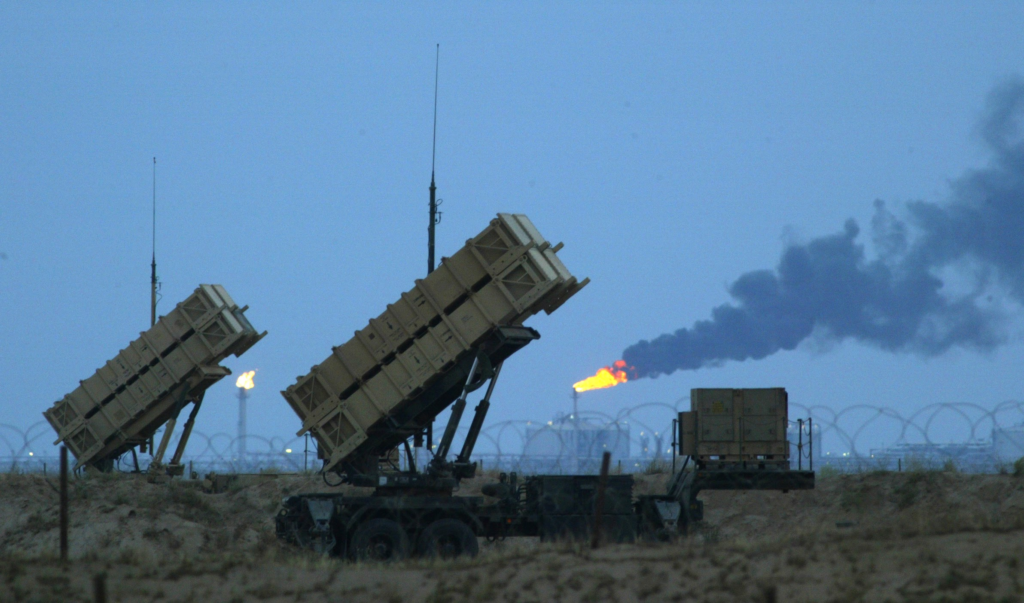
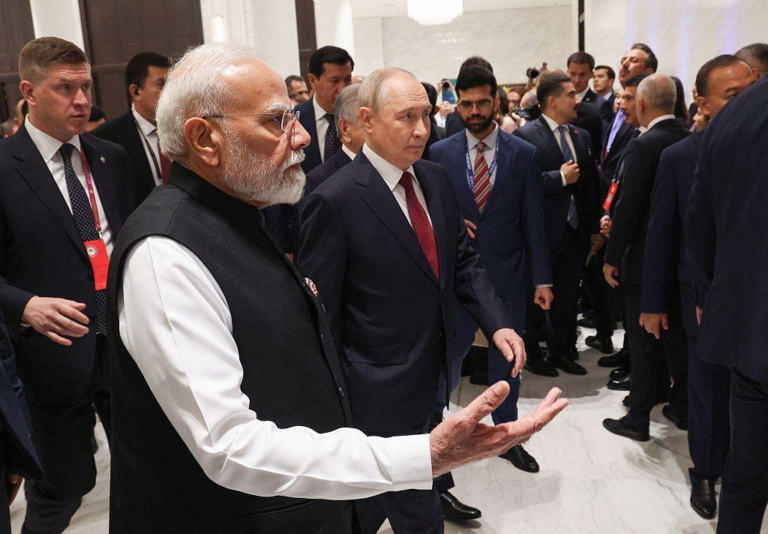
Reports indicate that Central Intelligence Agency Director John Ratcliffe recently made a quiet trip to Moscow to deter Russian escalation in NATO territories while U.S. forces remain heavily tied down in the Middle East. However, security experts warn that secret diplomatic visits cannot mask the stark physical shortage of advanced air defense weapons now facing the Pentagon.
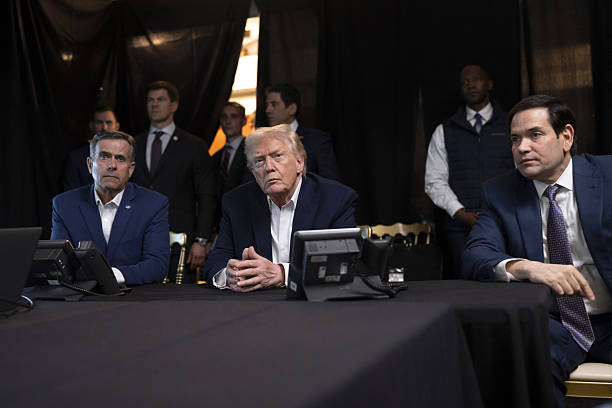
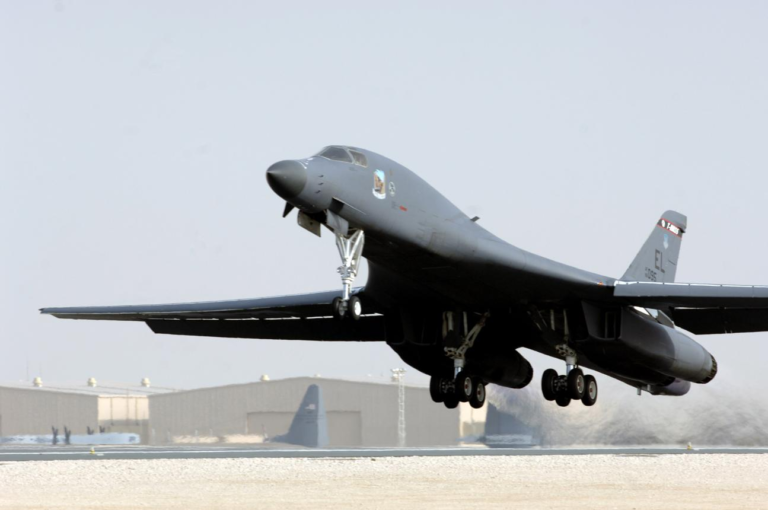
According to defense figures, the U.S. inventory of Patriot air defense interceptors has been drastically reduced. Over 1,500 Patriot interceptors have been launched during the Middle East conflict, leaving fewer than 830 remaining in total U.S. stocks. Additionally, nearly 40% of the military’s Terminal High Altitude Area Defense (THAAD) missile interceptors have been expended, alongside a one-third drop in Tomahawk cruise missile reserves and a near-total exhaustion of Army Tactical Missile Systems (ATACMS).
The diversion of military assets to support Middle East operations has forced the U.S. to pull critical defenses out of key regions. Key naval assets—including the aircraft carrier USS George Washington—and air defense batteries were redeployed away from the Indo-Pacific, alarming partners like Taiwan and South Korea who rely on a strong American presence to deter Chinese aggression.
In Europe, officials face similar anxieties as air defense supplies originally destined for Ukraine or NATO allies have been redirected. Reports show Ukrainian air defense missile supplies dropped threefold compared to last year, leaving infrastructure vulnerable to Russian drone and missile strikes. European defense planners fear a nightmare scenario involving simultaneous aggression from Moscow and Beijing, knowing the U.S. is currently overstretched.
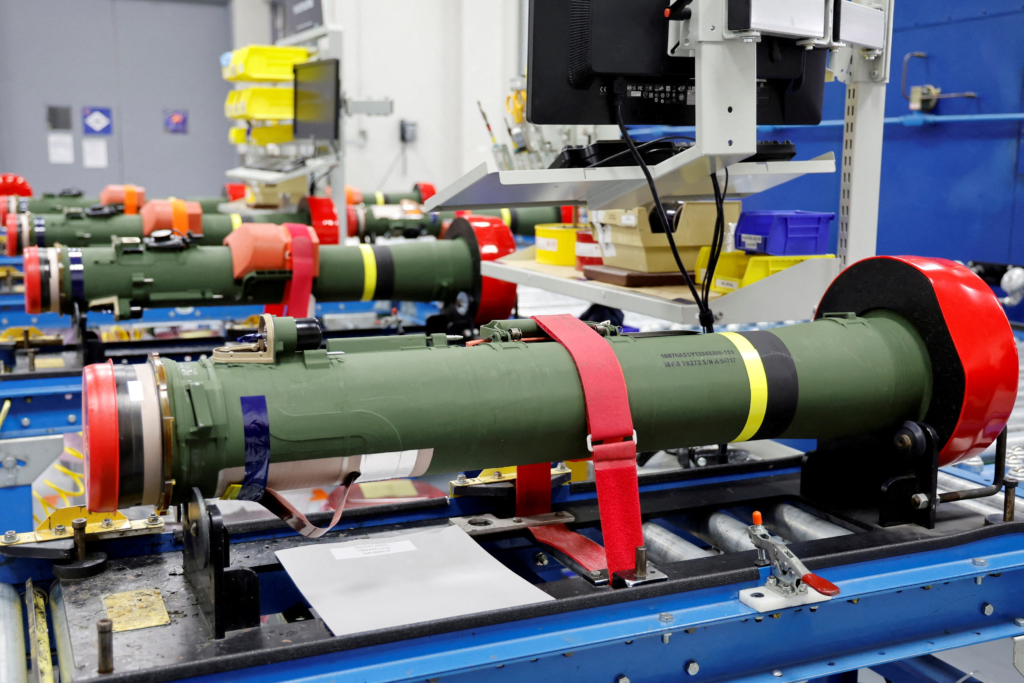
While defense contractors like Lockheed Martin have received massive contracts to ramp up production, defense analysts emphasize that weapons manufacturing cannot be fixed overnight. Experts estimate it will take several years to fully replenish depleted interceptor stockpiles, leaving global allies reliant on an increasingly overextended American defense shield.