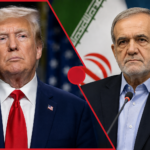






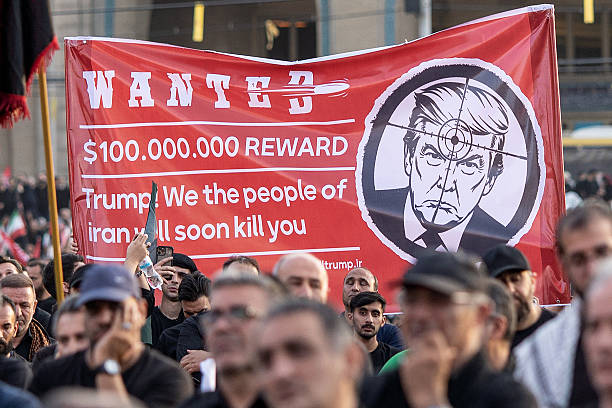

The persistent security threat surrounding Donald Trump is rooted in a volatile mix of theological doctrine, historical vengeance, and high-stakes military escalation that ensures Tehran’s ongoing hostility. Secret Service precautions such as utilizing catering trucks to secretly switch planes highlight the ongoing reality of Iranian threats directed at the former president.
According to geopolitical and theological analysts, the regime’s hostility draws heavily from a Khomeinist interpretation of Twelver Shia theology, which lionizes resistance against powerful foes and martyred figures. Trump’s historic actions against Iran fundamentally challenged this worldview. The January 2020 targeted strike that eliminated powerful Islamic Revolutionary Guard Corps General Qassem Soleimani dealt a severe blow to the regime, as Soleimani was viewed as a primary architect of Iran’s regional ambitions.
The tension escalated dramatically following the February 28, 2026 joint U.S.-Israeli strikes in Tehran that resulted in the death of Supreme Leader Ayatollah Ali Khamenei. Because Khamenei was regarded by regime ideologues as a supreme custodian of Islamic justice, his elimination fundamentally transformed the perception of Trump within Tehran’s power structure. Consequently, state ideologues view pursuing retribution as a theological mandate.
Despite diplomatic overtures or shifting political landscapes, security experts warn that the underlying animosity remains unchanged. As long as the current dynamic persists, extensive security protocols and heightened precautions will remain a permanent necessity to protect Trump from enduring assassination plots.