








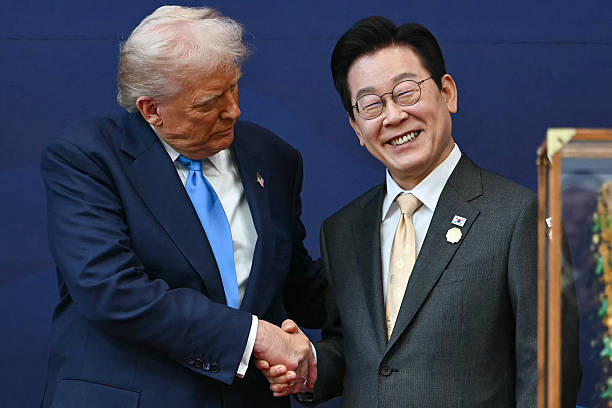

South Korean President Lee Jae-myung has stated that the nation must brace for a “worst-case scenario” following U.S. President Donald Trump’s abrupt order to substantially reduce joint military exercises. Speaking in Seoul during a cabinet meeting, President Lee emphasized that maintaining peace remains the country’s highest priority, while clarifying that the annual defensive drills, known as Ulchi Freedom Shield, are designed strictly for defense and are not intended to provoke North Korea or escalate regional tensions.
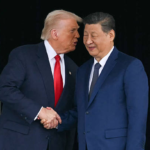
The diplomatic friction escalated after President Trump directed Defense Secretary Pete Hegseth to cut back the joint exercises, arguing that holding them sends an inappropriate and hostile signal to Pyongyang. Trump cited his warm relationship with North Korean leader Kim Jong Un, whom he described as unthreatening and respectful during his presidency. The decision also follows sharp public criticism from Trump regarding Seoul’s refusal to provide military or diplomatic assistance for U.S. operations against Iran, raising questions among defense analysts about the future security posture of the approximately 28,500 U.S. service members stationed in South Korea.
In response to the shifting security landscape, President Lee reaffirmed his administration’s commitment to strengthening self-reliant defense capabilities, including pushing forward with plans to regain wartime operational control (OPCON). Defense experts suggest the timing of Washington’s drill cuts and rhetoric may be an effort to entice Pyongyang back to the negotiating table while shifting focus away from ongoing military commitments in the Middle East. Meanwhile, South Korean military officials have emphasized that core defense coordination and readiness measures will continue as both governments navigate the unexpected policy shift.