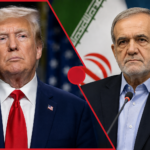








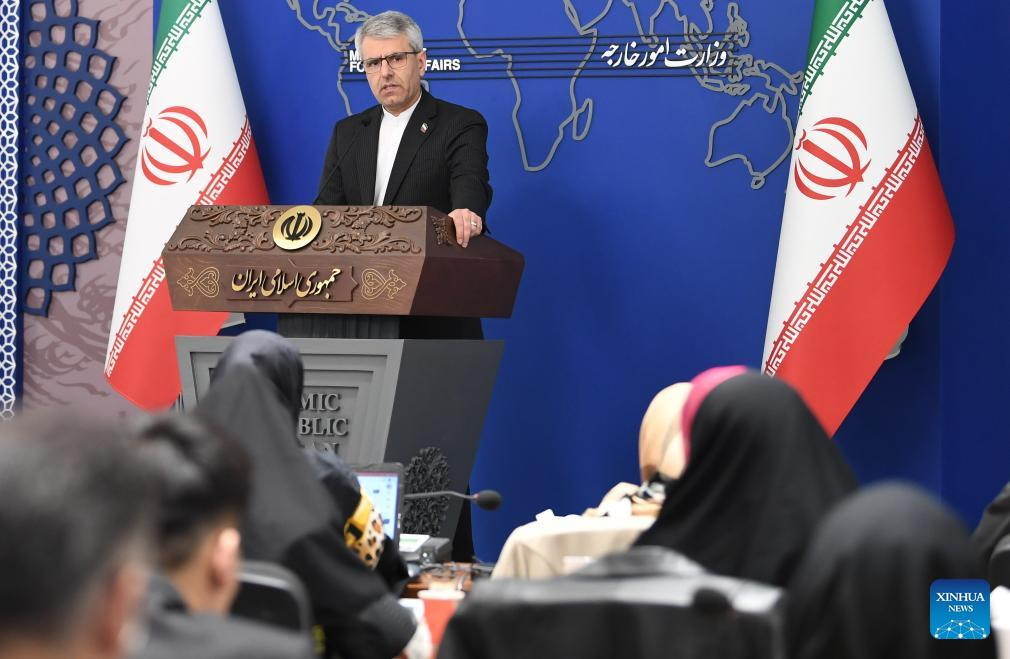

A bitter internal conflict has broken out inside Tehran’s ruling establishment, splitting the government between pragmatic officials seeking a end to the war and hardline conservatives pushing for prolonged confrontation with the United States. Six months into the conflict, the political deadlock comes as Supreme Leader Mojtaba Khamenei remains largely out of public view, leaving the country’s political factions to battle over the nation’s strategic direction.
The divide highlights two fundamentally opposed visions for the Islamic Republic’s survival. On one side, President Masoud Pezeshkian, Parliament Speaker Mohammad Bagher Ghalibaf, and Foreign Minister Abbas Araghchi favor a diplomatic resolution, warning that an exhausting U.S. naval blockade and severe economic pressure are weakening the country’s position.
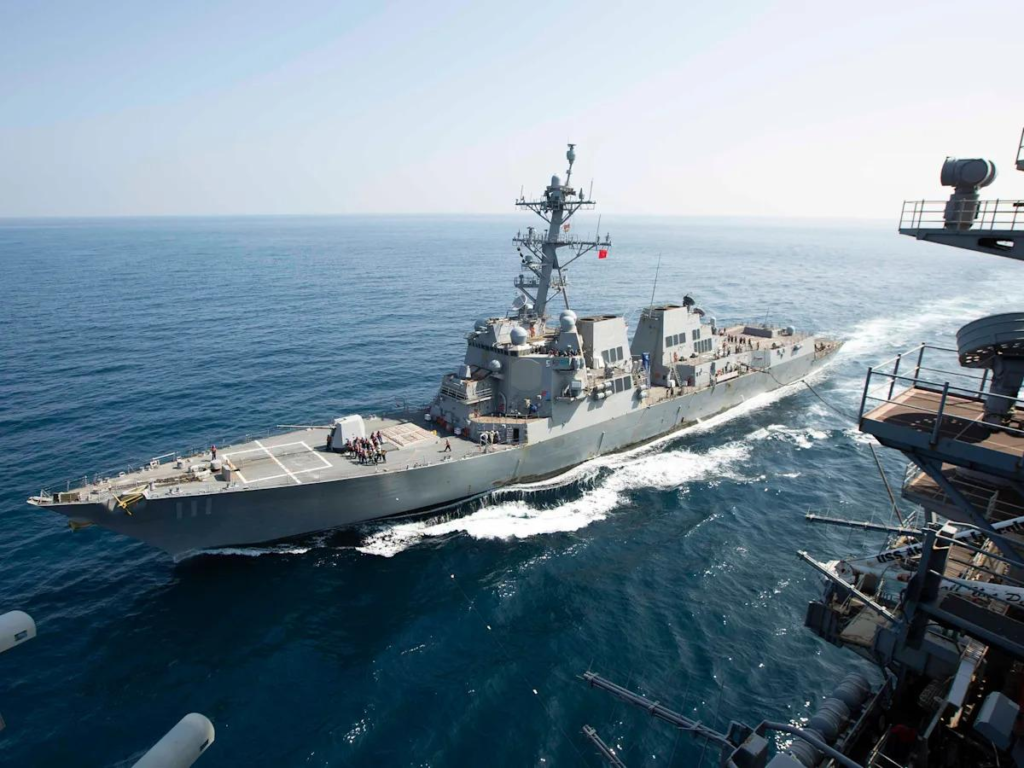
“The war must end at some point,” Pezeshkian stated, arguing that Tehran should finalize a deal while maintaining a position of strength rather than risking further economic collapse. Moderate leaders contend that bringing an end to the multi-decade conflict with Washington is essential to breaking Iran’s global isolation and stabilizing domestic conditions.
However, hardline lawmakers and military conservatives strongly reject negotiations, viewing Washington as an inherently untrustworthy adversary. Pointing to past broken agreements—including the 2015 nuclear deal abandoned by Donald Trump—hardliners argue that any diplomatic concession will inevitably lead to demands for complete surrender.
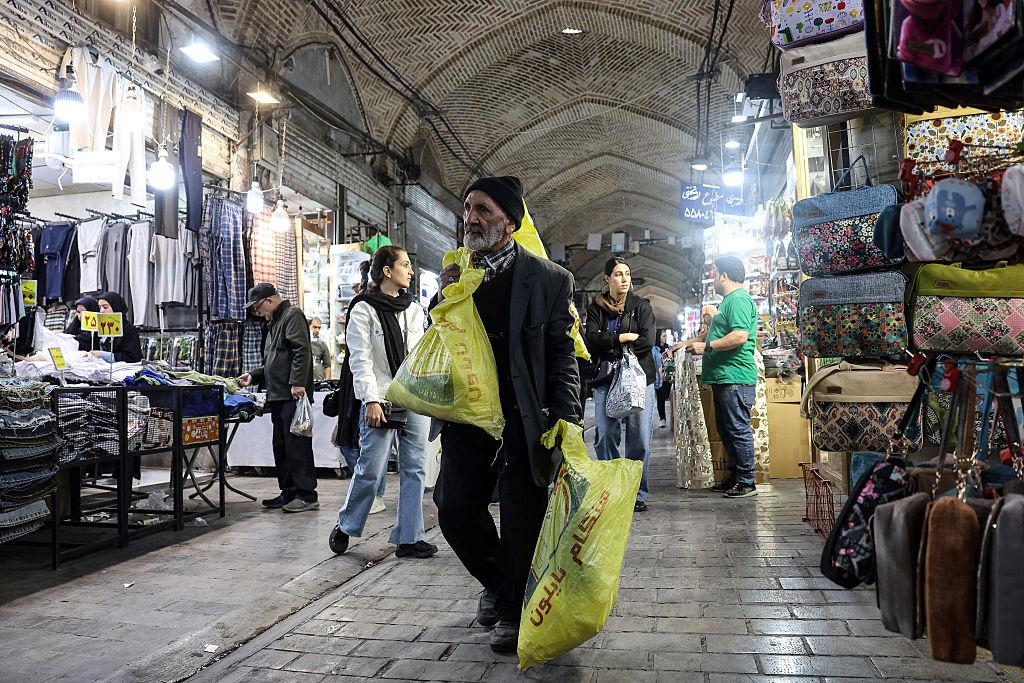
“The enemy has repeatedly shown that no matter how many concessions we make… it will never be satisfied,” hardline lawmaker Kamran Ghazanfari warned during a parliamentary session, accusing deal advocates of preparing the public for a “humiliating peace.” Hardline factions have gone so far as to accuse moderate officials of intentionally mismanaging fuel shortages and economic troubles to force public acceptance of a peace agreement.
With Supreme Leader Mojtaba Khamenei offering muted public guidance to avoid undermining his own legitimacy, hardline groups continue using state media and parliamentary influence to block diplomatic tracks. As both sides dig in, Tehran’s political war within may ultimately determine how long the broader conflict with the U.S. continues.