










Shipping traffic through the crucial Strait of Hormuz has plummeted to new lows as ongoing military engagements between the United States and Iran continue to disrupt regional maritime security and energy markets.
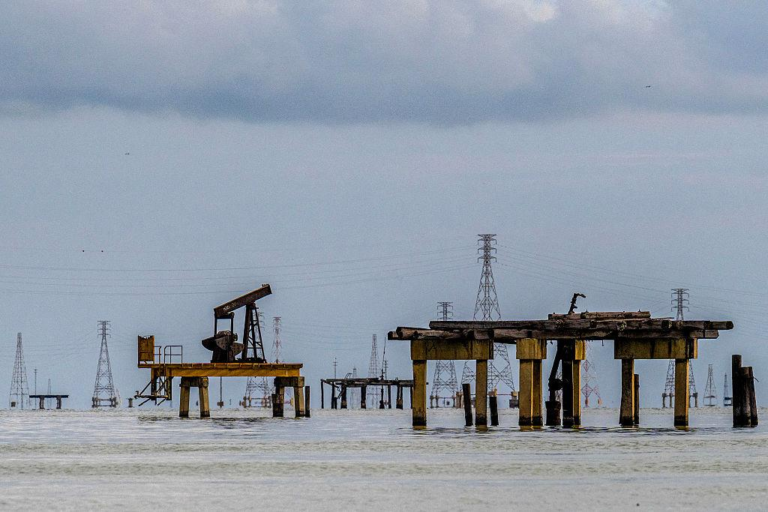
According to maritime tracking data, commercial transit through the narrow choke point dropped sharply to just 102 ships per week—down from pre-conflict averages of over 130 vessels daily—as security concerns mount over Iranian missile, drone, and mine-laying operations in the waterway. Oil shipments out of the Gulf remain severely constrained at roughly 5 million barrels per day, compared to pre-war levels of 20 million barrels.


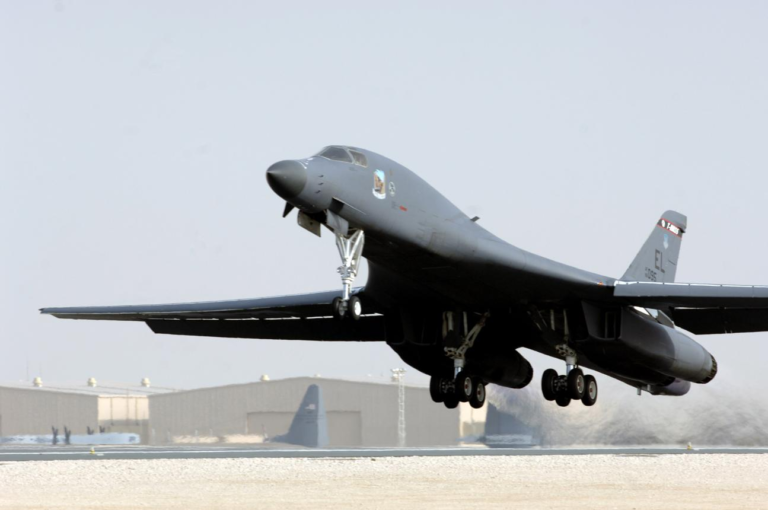
The drop in vessel traffic coincides with a series of coordinated Iranian strikes across the region. On Thursday, Iranian forces launched a barrage of drones and missiles targeting U.S. military facilities at Ahmad al-Jaber Air Base in Kuwait and Al Minhad Air Base near Dubai, alongside reports of interceptions over Jordan and Bahrain. U.S. Central Command (CENTCOM) confirmed it executed precise strikes against IRGC rocket launchers on Larak Island to neutralize threats against commercial shipping.
The sustained maritime disruption has driven U.S. benchmark crude above $91 a barrel and sent domestic diesel prices to record highs of $5.85 a gallon, creating fresh economic and geopolitical pressures for the administration.