









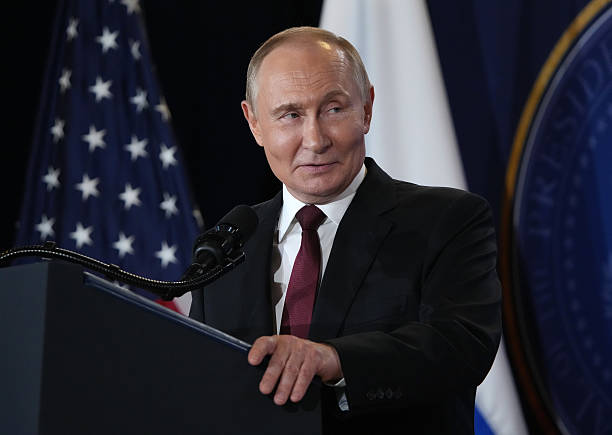

European defense and security agencies are on high alert following a sharp surge in Russian-backed covert actions, cyberattacks, and sabotage operations. Western officials report that Moscow is expanding its “gray zone” warfare tactics across the continent to destabilize NATO members, weaken public support for Kyiv, and disrupt military supply routes heading into Ukraine.
The escalating campaign has prompted deep concern within Washington. In an unannounced diplomatic move, Central Intelligence Agency Director John Ratcliffe recently traveled to Moscow to issue a direct warning to the Kremlin, reinforcing that the United States remains firmly committed to defending its NATO allies against covert aggression.
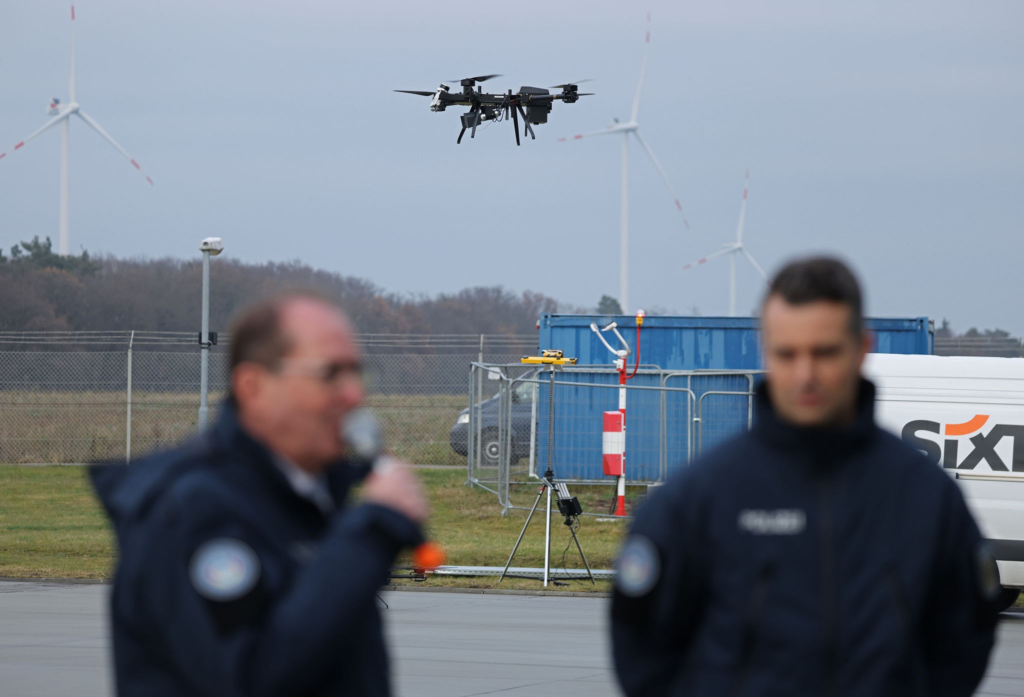
Tensions have spiked following a series of high-profile incidents inside allied borders. Authorities in Germany recently launched a massive federal investigation after multiple explosive-laden drones were discovered near Leipzig/Halle Airport—a key military logistics hub—including one found adjacent to a Ukrainian cargo aircraft. In Eastern Europe, Romanian air defense units shot down a Russian drone that breached allied airspace, while intelligence agencies in the Netherlands exposed systematic state-sponsored digital espionage targeting web-linked security cameras to track Western aid shipments.
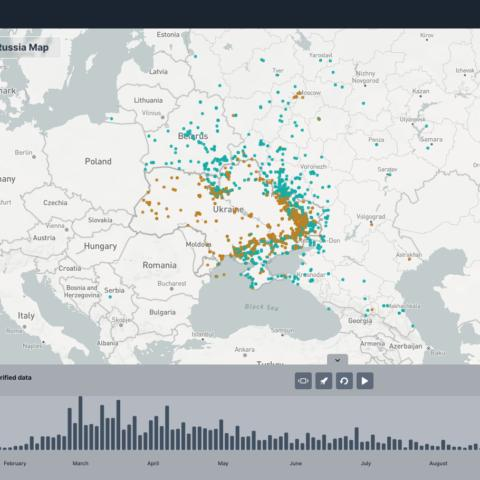
Data tracking Russia-backed covert operations shows a steep rise in activity, with documented incidents climbing from fewer than 10 per month in previous years to roughly 15 monthly actions. European security agencies warn that Russian intelligence services are increasingly using encrypted platforms like Telegram to recruit local operatives for arson, infrastructure reconnaissance, and physical vandalism.

Current investigations are focused on several mysterious fires and explosions at munitions facilities across Italy, Bulgaria, Finland, and Estonia. While governments evaluate official attribution, security analysts note that Moscow benefits strategically from the disruption, as public anxiety surrounding European involvement in the war continues to mount.
Despite the campaign of covert pressure, European leaders indicate that Moscow’s strategy may be backfiring. Allied nations along NATO’s eastern flank have responded by hardening public sentiment, increasing domestic defense budgets, and tightening intelligence coordination to counter hybrid threats.