









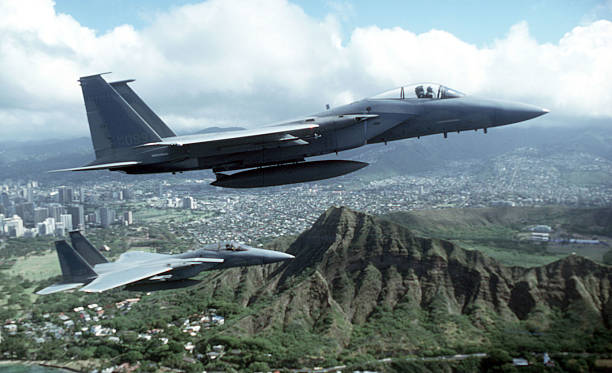

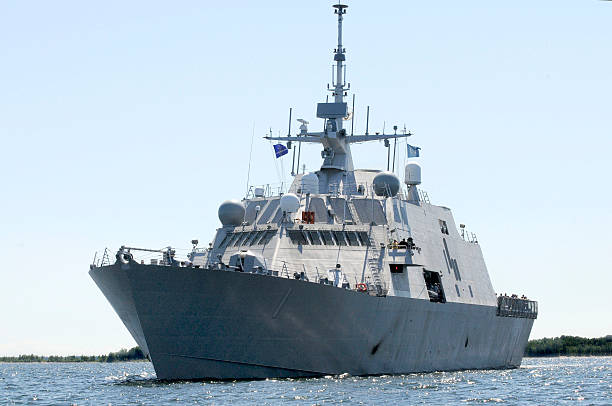
Iran has reportedly demanded that no military vessels be allowed to pass through the Strait of Hormuz as part of a proposed framework with Oman aimed at reopening the strategically important waterway.
Iranian Deputy Foreign Minister Kazem Gharibabadi said the proposed arrangement would prohibit military vessels entirely if the understanding becomes binding.
“If the understanding becomes binding, no military vessel will be permitted to pass through the Strait of Hormuz,” Gharibabadi said on Iranian state television. “No military vessel at all.”
The comments, reported by the Associated Press, come as Iran and Oman negotiate over how commercial traffic could resume through the strait. According to Gharibabadi, the two countries have reached an understanding on a framework for managing maritime traffic, although no final agreement has been announced in the supplied material.
Under the reported arrangement, incoming commercial vessels would travel entirely through Iranian waters. Outbound traffic would use a route passing partly through Iranian territorial waters and partly through Omani waters.
US has not accepted the proposed framework
The proposed restrictions could create a major point of disagreement with Washington because the United States has not approved the arrangement.
According to the supplied reports, the Trump administration has expressed dissatisfaction with the framework and has pressured Oman over the issue. The material also says President Donald Trump threatened military action against Oman last week if the US ally did not cooperate.
Iranian officials have continued to insist that the Strait of Hormuz remains closed despite discussions over a possible corridor for shipping.
Hossein Mohebbi, an Islamic Revolutionary Guard Corps spokesman, said Iran and Oman had reached agreements concerning the division of the strait’s waters and the sharing of revenue generated from the waterway.
“We have been in negotiations with Oman for about a month, and we have reached results that are acceptable to both sides,” Mohebbi said, according to comments reported by Reuters and attributed to Iran’s state-run Sepah News agency.
But Mohebbi said the strait would not reopen unless the United States accepted Iran’s conditions.
“If the United States stops obstructing and returns to the agreement, we can open the Strait of Hormuz within the framework of the agreement reached,” he said.
“If the United States does not accept our conditions, the Strait of Hormuz will not be opened under any circumstances.”
The statements indicate that a potential reopening remains dependent on negotiations involving Iran, Oman and the United States.
Iran says dozens of tankers violated its rules
The negotiations come after Iran announced that it had blacklisted 45 tankers it said had violated its rules for crossing the Strait of Hormuz.
The announcement adds another layer of uncertainty for commercial shipping operators seeking to navigate the waterway.
The source material also cites an Axios report describing a clandestine US effort to move oil through the strait. An unnamed US official claimed that American forces had been controlling the southern lane of the waterway for two months.
“We have been controlling the southern lane of the Strait of Hormuz for two months now,” the official told Axios. “The Islamic Revolutionary Guard Corps can be a nuisance, but they don’t control the strait. We do.”
That account is attributed to the unnamed US official and has not been independently established by the supplied material.
US says mines have been cleared
Meanwhile, Trump said Tuesday that the US Navy had completed an operation to clear mines from the Strait of Hormuz.
In a Truth Social post, Trump said he had been informed that all mines had been “removed and/or detonated” in the international waters of the strait.
He also warned that any attempt to place new mines would trigger a US response, saying Washington was enforcing a “Zero Tolerance policy” on mine placement.
Trump further said the US was monitoring the waterway through Space Force.
The claims about the mine-clearing operation come as negotiations over the strait’s future remain unresolved.
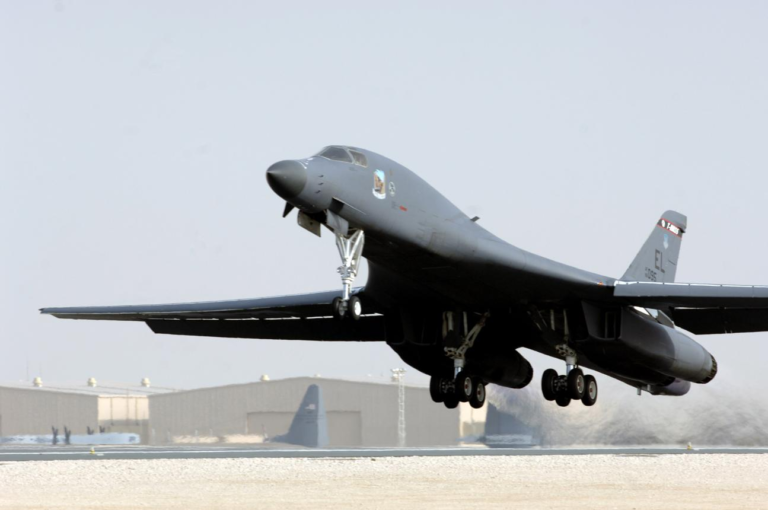
For now, Iran’s reported demand that military vessels be excluded from any reopening arrangement represents a significant condition in the talks particularly as the United States maintains a military presence in the wider region and has not agreed to the proposed framework.