










Iran is reportedly weighing potential military strikes against United States targets located in Europe if President Donald Trump chooses to escalate the ongoing conflict. According to sources close to the Iranian government who spoke with the Financial Times, potential sites under consideration include a British air base in Cyprus that faced a drone attack back in March. Additionally, authorities have evaluated other southeastern European locations, such as Bulgaria, which recently granted the United States access to its Bezmer air base for refuelling operations last month.
This development aligns with broader warnings that Tehran is actively considering a shift toward a fully offensive operational strategy, as revealed by a senior Iranian official to Reuters. The diplomatic landscape has grown increasingly strained, with a formal resolution appearing further out of reach after President Trump declared the strategic Strait of Hormuz as American territory. Taking to Truth Social, Trump shared a map highlighting the waterway inside a large blue circle and branded the vital shipping corridor as new United States territory. Shortly after publishing the post, the American leader confirmed that no diplomatic talks or conversations are currently active, scheduled, or taking place with the Islamic Republic of Iran.
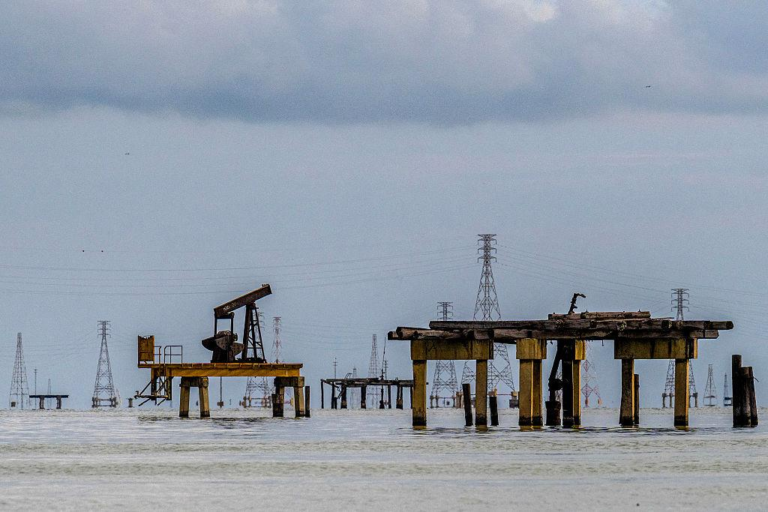
Despite Trump asserting that the naval blockade remains fully active and that the Strait is open following the removal or detonation of water mines, traffic data tells a different story. Shipping metrics shared by Kpler with The Independent show that only ten vessels managed to pass through the waterway on Monday, a sharp drop compared to the 130 to 140 daily crossings recorded before the war began. Subsequent tracking data indicated that just six commodity vessels crossed the strait. Iran maintains that the vital maritime route will stay closed until Washington satisfies the terms of an interim agreement, outlined by top Iranian negotiator Mohammed Bagher Ghalibaf via state media. These conditions demand the removal of the marine blockade and international sanctions alongside the release of frozen Iranian financial assets. Meanwhile, Saudi Arabia’s Aramco recently resumed oil loading operations from within the Strait, with additional tankers waiting to load cargo.
Tehran has separately announced an emerging understanding with Oman regarding a framework for vessels to safely navigate the Strait, with officials working to finalize a joint statement. Muscat has played an active mediator role to reopen commercial traffic through the shared waterway. However, diplomatic friction intensified after President Trump issued a stark warning directed at Oman as a 60-day negotiation window expired, stating in a Fox News interview that any interference from Oman would result in severe military retaliation. When later questioned about his patience with the regional neighbor, Trump remarked that while their behavior was unacceptable, handling them would be straightforward.
The current diplomatic breakdown follows the collapse of a 14-point memorandum of understanding brokered by Pakistan that had previously offered hope for a breakthrough. That agreement unraveled due to conflicting interpretations surrounding a specific clause addressing the governance and safe passage through the Strait of Hormuz. Following attacks on commercial vessels in the Omani corridor, the United States revoked sanctions relief on Iranian oil and launched extensive strikes against more than 80 military targets. While Tehran argues that the disputed clauses preserve local sovereign administration of the route, Washington contends that any interference with commercial transit represents a direct breach of promises for safe passage