










Military planners within the North Atlantic Treaty Organization have formulated a comprehensive new framework designed to safeguard alliance territory against a potential large-scale Russian attack. According to reports from the German newspaper BILD citing the newly outlined NATO Land Warfighting Concept, the strategy extends far beyond conventional border skirmishes, focusing heavily on neutralizing initial assaults, establishing heavily fortified buffer zones, and systematically dismantling the logistics network that sustains enemy operations. Developed under the direction of U.S. Army Major Andrew Pingray with contributions from personnel across the alliance, the framework serves as a transformative blueprint for deterrence through prevention on land.
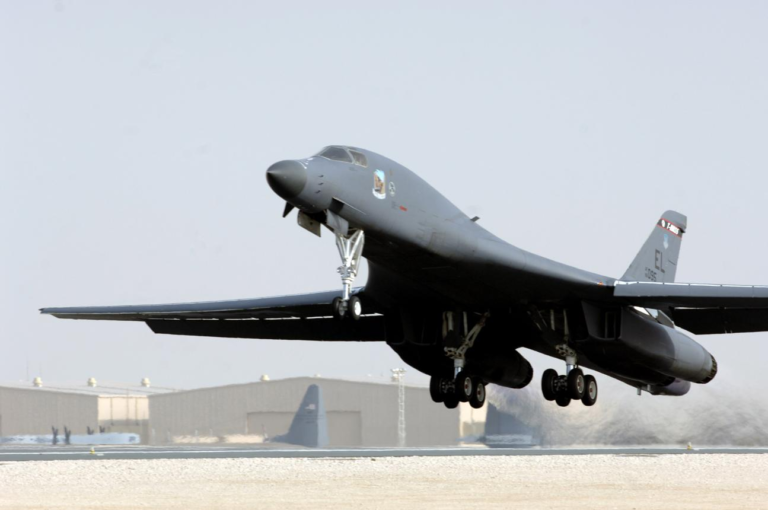
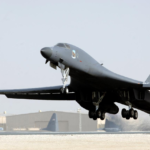
The first phase of the blueprint prepares for scenarios where Russian forces might launch initial waves of missiles and drones against a Baltic member state before advancing with ground troops. Under this scenario, NATO’s primary operational objective would involve deploying fighter aircraft, missiles, and uncrewed systems to suppress and disable the enemy complexes responsible for launching strikes. Strategic locations such as Russia’s Kaliningrad Oblast, where heavy missile and air defense systems are concentrated, would receive intense focus. Advanced sensor networks and shared battlefield data architectures are intended to accelerate decision-making timelines and provide commanders with early awareness of hostile movements along the frontier.
A second major component entails the creation of an “autonomous zone” along vulnerable segments of the border with Russia and Belarus. Rather than permanently stationing large numbers of regular alliance troops throughout the area, planners intend to utilize drones and robotic military transport systems to form a defensive barrier. This automated approach is designed to detect and contain hostile incursions while minimizing the exposure of frontline soldiers. Officials stress that the alliance’s stated objective remains strictly defensive: to halt enemy advances and drive invading forces back across the border, rather than pursuing any territorial conquest of Russia.
Finally, the framework outlines provisions that extend military action beyond immediate alliance borders if a conflict escalates. Operations could potentially target key infrastructure supporting the invasion deep inside Russian territory, including military airfields, weapons-production facilities, bridges, railway hubs, and supply bases. By disrupting Moscow’s capacity to move troops, ammunition, and equipment toward the front lines, the alliance aims to choke off subsequent waves of attacks. Military officials emphasize that making these defensive preparations transparent is an intentional part of the deterrence strategy, ensuring Moscow recognizes the heavy strategic costs associated with any potential aggression.